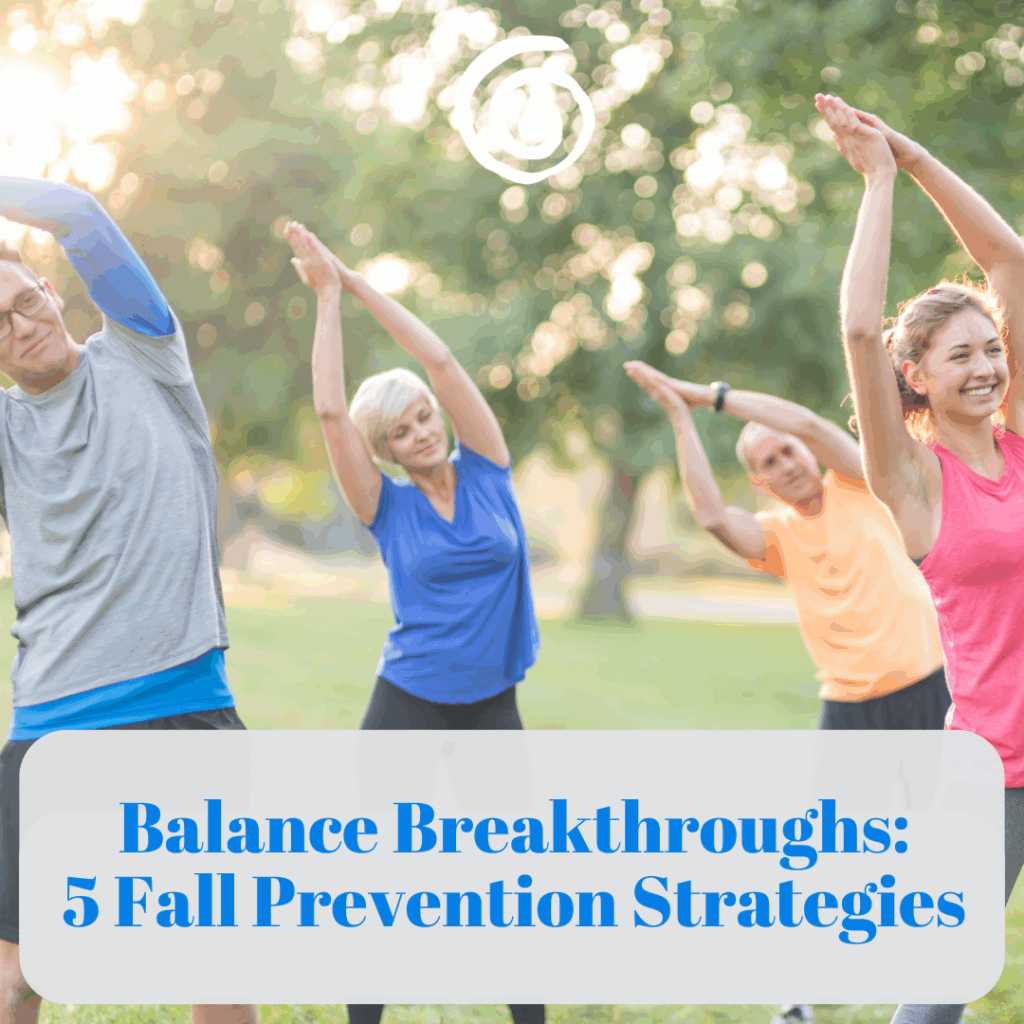
Falls don’t have to be an inevitable part of aging. With the right fall prevention strategies and balance training, you can maintain your independence and confidence well into your golden years. Here’s everything you need to know about preventing falls and building better balance.
The Sobering Reality of Senior Falls
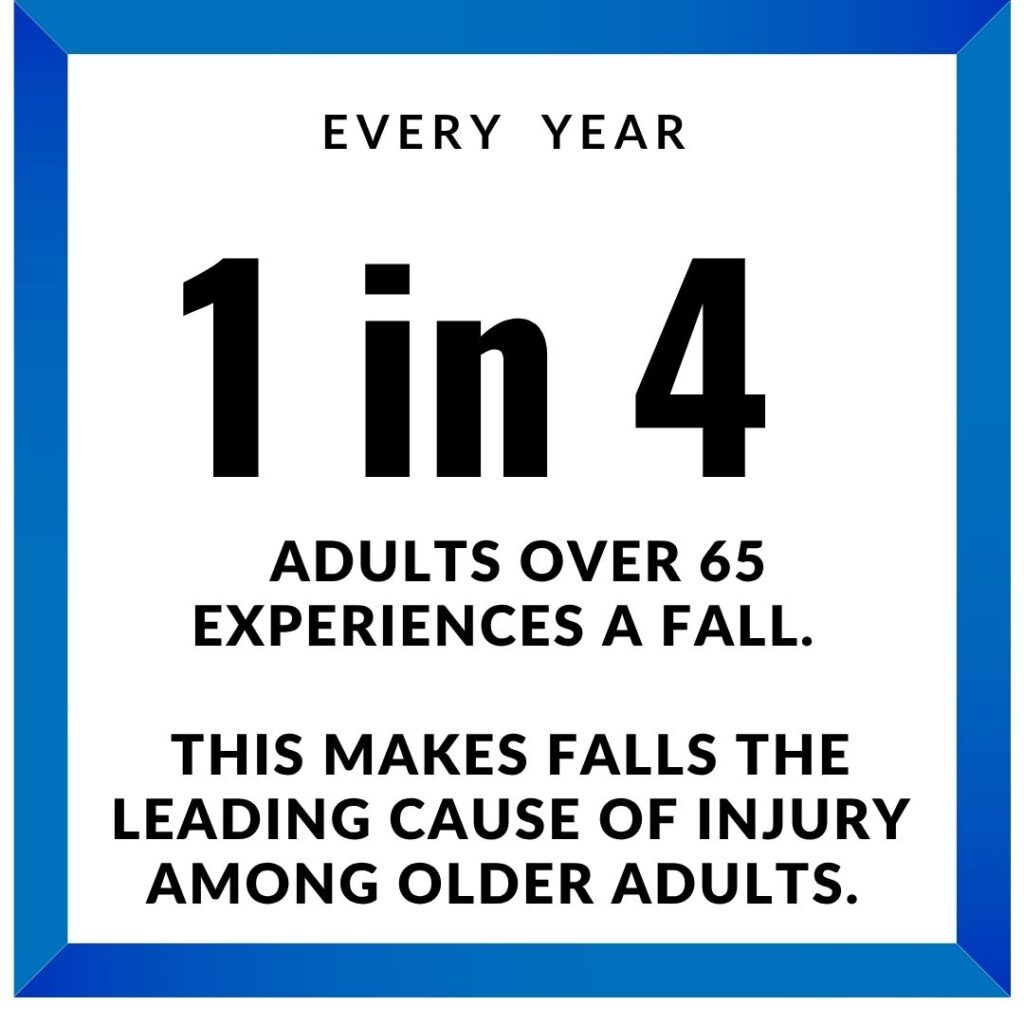
Every year, one in four adults over 65 experiences a fall, making falls the leading cause of injury among older adults. But here’s the empowering truth that our recent lunch and learn session revealed: most falls are completely preventable. You can improve your balance, strength, and confidence at any age with the right approach.
Common Fall Risk Factors
Understanding what increases your fall risk is the first step in fall prevention. The most common culprits include:
-
- Muscle weakness in the legs and core
-
- Poor vision or inadequate home lighting
-
- Medications that cause dizziness or drowsiness
-
- Home hazards like loose rugs and clutter
-
- Improper footwear that doesn’t provide adequate support
-
- Dizziness or blood pressure issues
Fall Prevention Strategies

Strong muscles are your best defense against falls. These simple balance exercises for seniors can be done safely at home:
Chair Stands: Practice sitting and standing from a chair 10 times slowly. This builds leg strength essential for stability.
Heel Raises: Stand tall and lift your heels 10-15 times to strengthen your calves and improve balance.
Toe Taps: While seated, tap your toes in front of you to maintain ankle flexibility.
Perform these senior balance exercises 2-3 times per week for optimal results.

Balance training for seniors doesn’t require expensive equipment. Try these proven techniques:
Single Leg Stand: Hold onto a counter and balance on one foot for 10 seconds. Gradually increase the time as you improve.
Heel-to-Toe Walking: Practice walking in a straight line, placing your heel directly in front of your toes with each step.
Tai Chi or Yoga: These gentle practices have been scientifically proven to improve balance and reduce fall risk in older adults.

Senior home safety starts with identifying and eliminating hazards:
-
- Remove loose rugs and electrical cords from walkways
-
- Install grab bars in bathrooms and near stairs
-
- Use non-slip mats in bathtubs and showers
-
- Add night lights in hallways, bedrooms, and bathrooms
-
- Keep all walkways completely clear of clutter
These simple modifications can dramatically reduce your fall risk at home.

Your shoes play a crucial role in fall prevention for elderly individuals:
-
- Wear supportive shoes with non-slip soles
-
- Avoid slippers and flip-flops when walking around the house
-
- Choose clothing that fits properly and won’t cause tripping

Many medications can affect balance and increase fall risk. Senior fall prevention includes:
-
- Regular medication reviews with your doctor or pharmacist
-
- Understanding which medications might cause dizziness
-
- Never stopping medications without professional guidance
Fall Prevention Tips for Optimal Safety
Regular Health Checkups: Schedule annual vision and hearing tests, as sensory changes can significantly impact balance.
Nutritional Support: Ask your doctor about checking your Vitamin D and calcium levels, as deficiencies can affect bone strength and muscle function.
Assistive Devices: Don’t hesitate to use canes, walkers, or other mobility aids if recommended by your healthcare provider.
Age-Related Balance Changes
Sensory Changes: Reduced vision, diminished body awareness, and inner ear changes affect our ability to detect and respond to balance challenges.
Physical Changes: Muscle loss (sarcopenia) and joint stiffness limit our ability to make quick corrective movements.
Neurological Changes: Slower nerve conduction and reduced coordination affect our automatic balance responses.
Take Action Today = Safer Tomorrow
Fall prevention for seniors isn’t just about avoiding injury—it’s about maintaining independence, confidence, and quality of life. Start with one or two strategies from this list and gradually build your fall prevention routine.
Remember, building better balance is a journey, not a destination. Each small step you take toward senior safety and balance training is an investment in your future well-being.