Pilates is having a moment—again. From celebrities to rehabilitation patients, everyone seems to be discovering (or rediscovering) the transformative power of this low-impact strength and flexibility workout. But with so many Pilates offerings available today, from boutique studios to gym classes to online apps, how do you know if it’s right for you? And more importantly, how do you ensure you’re learning it correctly?
A New York Times article, “Is Pilates as Good as Everyone Says?”, explores what Pilates can and can’t do for us—and the findings align perfectly with what we’ve witnessed firsthand at MindBody Physical Therapy..
What Makes Pilates So Effective?
The science backs up what practitioners have known for decades. Research shows that Pilates can:
- Improve muscle endurance and flexibility
- Reduce chronic pain
- Lessen anxiety and depression
- Strengthen core muscles around the spine
- Improve balance, posture, and core stability
- Reduce risk of musculoskeletal and joint injuries
Unlike many fitness trends that promise quick fixes, Pilates works by focusing on controlled, precise movements that emphasize the mind-body connection. Every exercise stems from the core, and movements are repeated strategically to build strength without exhausting the muscles.
Whether you’re recovering from an injury, managing chronic pain, or simply want to move better in your daily life, Pilates offers something valuable.
Not All Pilates Are Created Equal
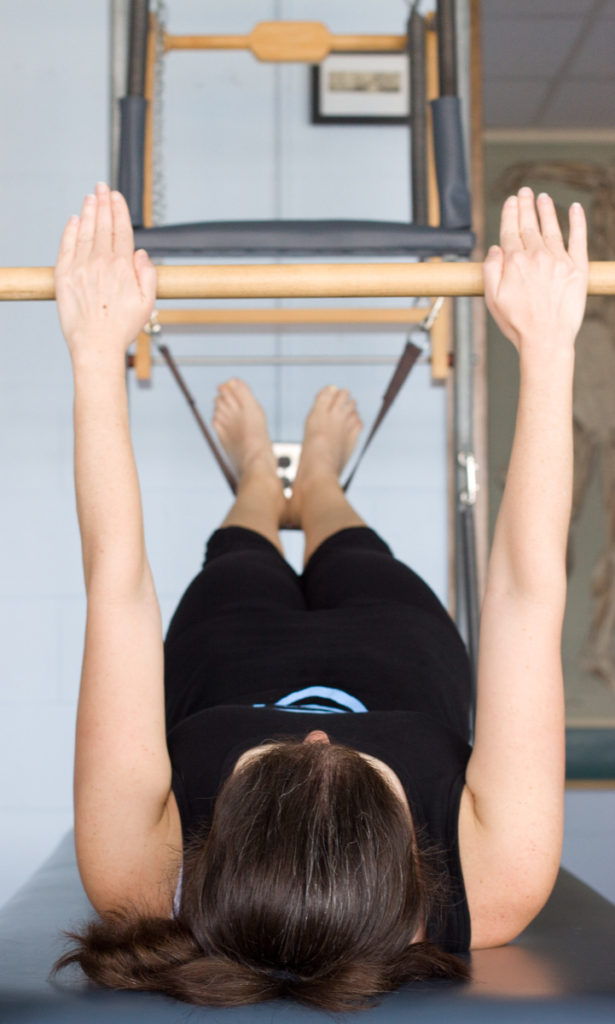
The workout was developed by Joseph Pilates as a complete system—a specific sequence designed to move the body through its full range of motion. Authentic Classical Pilates follows this original method, building intelligently from foundational exercises to more complex movements as you gain strength and control.
Many modern adaptations pick and choose exercises without maintaining the integrity of the sequence. While these classes can still provide benefits, they’re not the same as learning the authentic method that has transformed bodies and lives for nearly a century.
There are some people who will tell you that they teach Pilates, and they’ve gone to a weekend class, while others have gone through comprehensive training and spent hundreds of hours and thousands of dollars to learn.
-
As Pilates has exploded in popularity, so has the number of under-qualified instructors.
The article recommends seeking out instructors who have completed certification programs requiring at least 400 hours of training plus continuing education. At MindBody, our instructors have completed over 500 hours of rigorous training in the Romana Kryzanowska tradition—the direct lineage from Joseph Pilates himself.
But it’s not just about hours. Our instructors bring something additional to the mat: clinical expertise as Physical Therapists. This means we understand:
-
-
- Body mechanics and proper alignment
- How to modify exercises for injuries or limitations
- Progressive programming that builds strength safely
- The rehabilitation applications of movement
-
Method Matters
The Times article emphasizes that “experienced Pilates instructors generally recommend starting with one-on-one or small group training sessions, so you can learn the basics.”This is exactly why we created our Fundamentals Four Course Pack. These four private sessions establish proper technique from day one, preventing bad habits that can limit your progress or lead to injury.
Learning the fundamentals correctly sets you up for success—not just at our studio, but wherever your Pilates journey takes you. Whether you continue with us or practice elsewhere, we’re committed to ensuring your Pilates practice is safe, effective, and true to the authentic method.
How Often Should You Practice?
One of our clients is 99 – soon to be 100 – and has been practicing Pilates at least two days a week for decades.
The CDC recommends two days of strength training per week—Pilates fits perfectly into this category. However, exercise experts in the article agree that three times per week is the “sweet spot” for seeing optimal results.
The good news? If Pilates becomes your passion, there’s no upper limit. As long as you mix up your practice, you can do it five or more times a week.
Where You Learn Matters
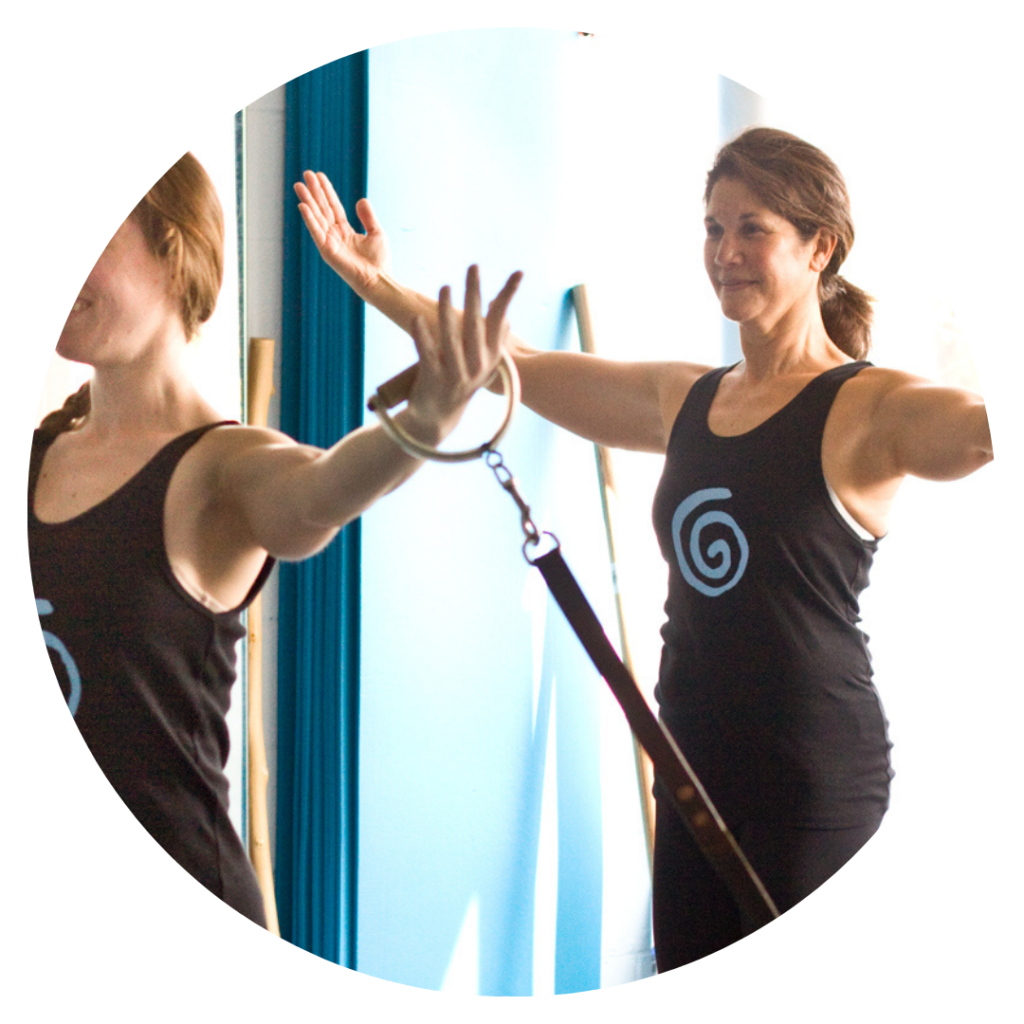 Joseph Pilates reportedly said: “In 10 sessions, you feel better, 20 sessions you look better, 30 sessions you have a completely new body.”
While no workout can literally give you a new body, proper Pilates instruction can transform how you move, feel, and function in your current body. But to experience these benefits, you need qualified instruction that respects the integrity of the method.
At MindBody Physical Therapy, we don’t just teach exercises. We teach the method. Our Physical Therapist-led approach ensures you’re not just working out—you’re investing in your long-term health with guidance from professionals who understand how bodies work, heal, and thrive.
Ready to experience Authentic Pilates for yourself? Contact us to learn more about our Fundamentals Four Course Pack and discover why where you learn truly matters.
Read the full New York Times article: “Is Pilates as Good as Everyone Says?”