Try A Tower Class

The Tower Class: Your Standing Date for Strength, Friendship, and Better Movement

Remember when making plans with friends meant actually seeing each other? Not just texting. Not just liking their Instagram posts. Actually showing up, week after week, to do something together.

What if that something made you stronger, moved better, and felt incredible in your body?

Welcome to our Tower classes at MindBody Physical Therapy—where friendship meets fitness on some of the most effective Pilates equipment ever designed.

Why the Tower? Why Now?

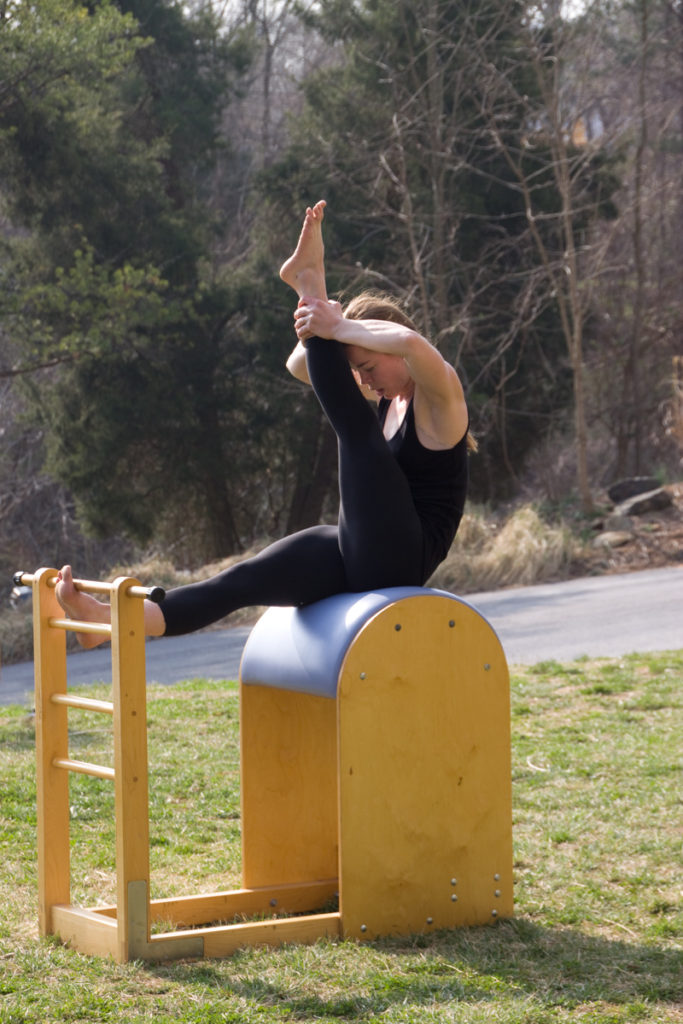
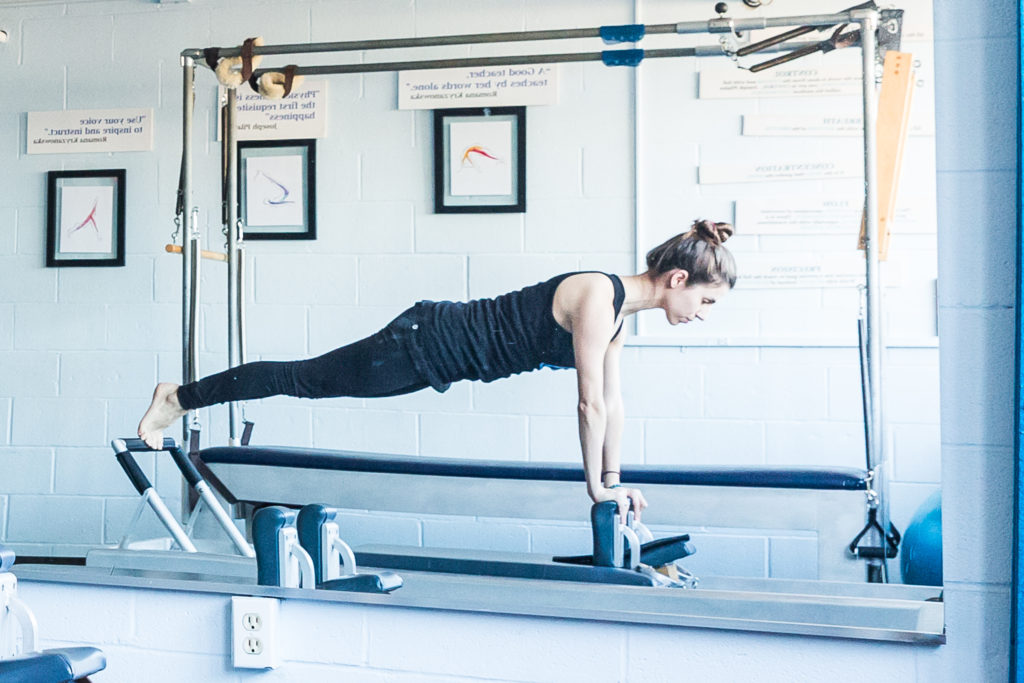
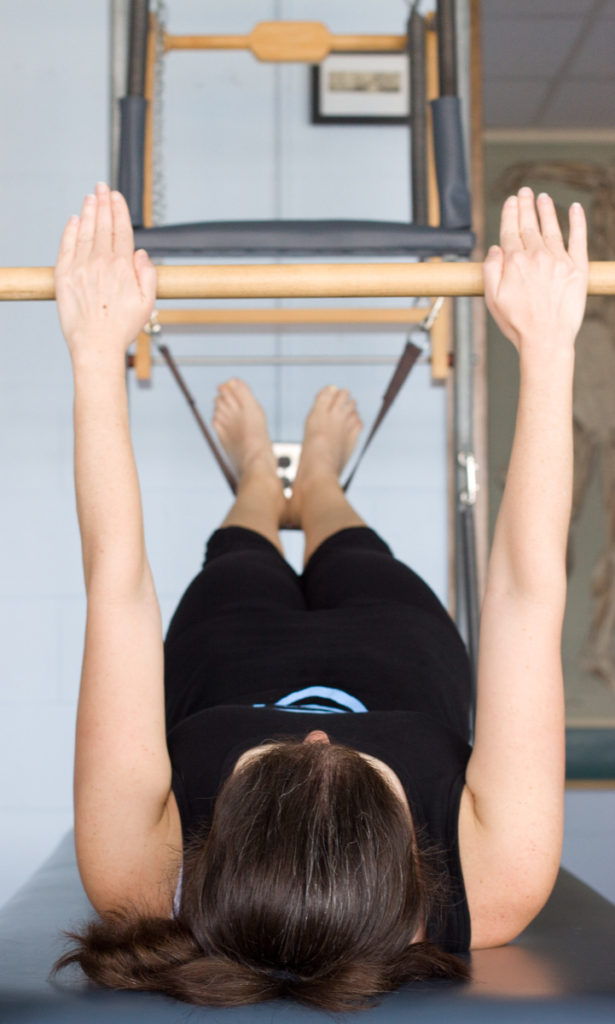
Joseph Pilates created the Tower (also called the Wall Unit) as one of his original apparatus designs, and for good reason. The Tower uses springs and bars to provide variable resistance that challenges your body in ways mat work simply can’t replicate.

Unlike machines at a typical gym that isolate single muscles, the Tower trains your entire body to work as an integrated system. The spring resistance builds strength through your full range of motion while simultaneously improving flexibility and alignment. You’re not just getting stronger—you’re moving better.

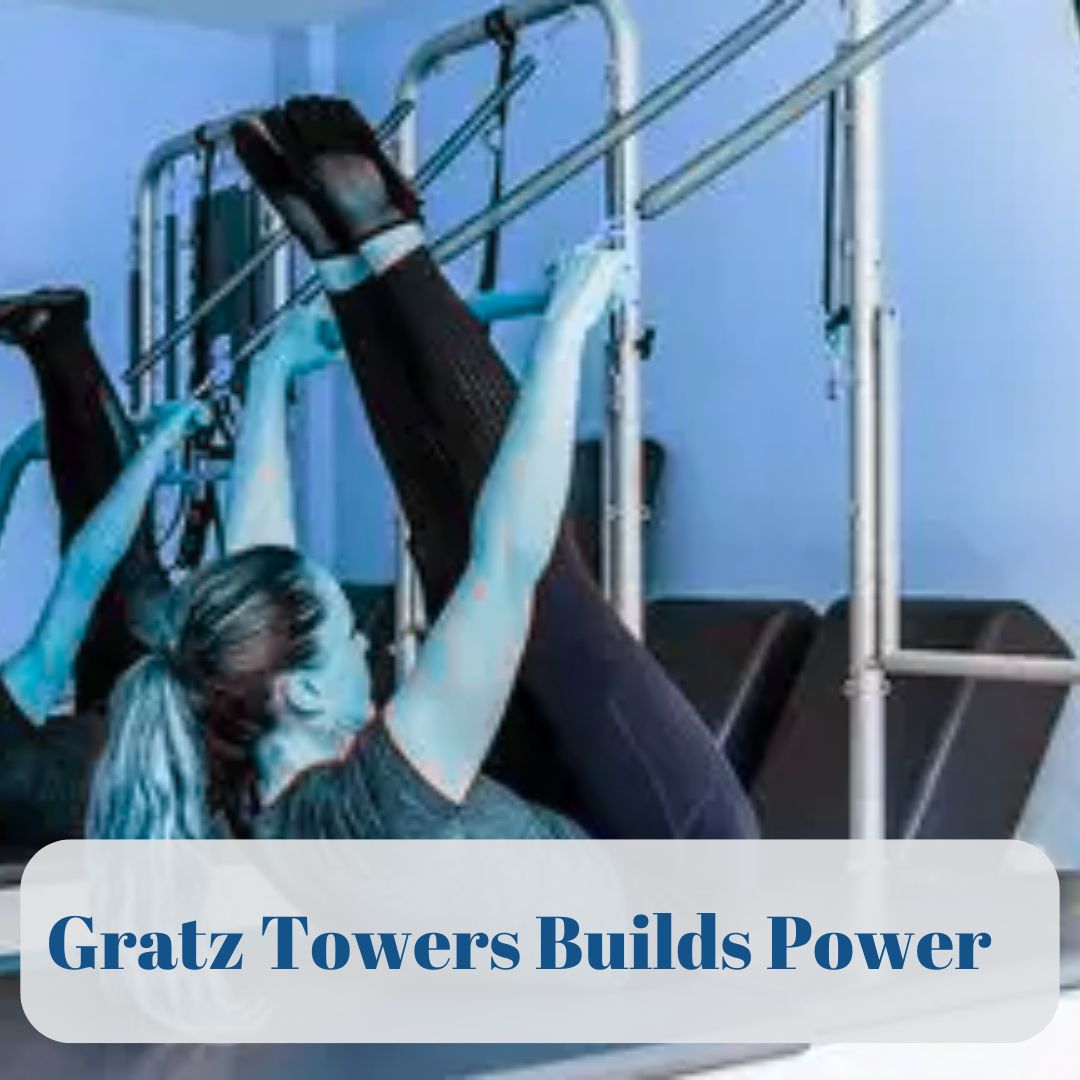
At MindBody, we use authentic Gratz Tower equipment—the gold standard in Pilates apparatus. Gratz has been handcrafting Pilates equipment since the 1960s using Joseph Pilates’ original specifications. The springs, the angles, the dimensions—everything is precisely calibrated to deliver the results Pilates intended.

This isn’t boutique fitness equipment designed to look good in a studio. This is professional-grade apparatus designed to transform how your body moves.

The Problem with Most Fitness Classes

You sign up. You go a few times. Life gets busy. You stop going.

Or you go to a packed class where the instructor barely knows your name, can’t see your form from across the room, and certainly can’t give you the corrections you need to actually improve.

Or you work out alone, which requires constant self-motivation that eventually runs dry.

The research on exercise adherence is clear: people who work out with friends are significantly more likely to stick with their fitness routine. Social accountability isn’t just nice to have—it’s the difference between a habit that lasts and a resolution that fades.

You + Two Friends = A Standing Commitment

Here’s how it works: You bring two friends. That’s it. Three people total.

You schedule a set class time that works for all three of you—your standing date every week. Same day, same time, same place. No rescheduling. No “let me check my calendar.” Just a non-negotiable appointment with your friends and your health.

Limited to three participants per class. This isn’t a crowded group fitness scenario where you’re just another body in the room. With only three people on three Towers, your instructor—a Physical Therapist with over 500 hours of Pilates training—can see everything. Every misalignment. Every compensation pattern. Every moment where you need a cue to engage deeper or release tension.

You receive personalized attention that actually corrects your form, not just encouragement to push through one more rep. We see what your body is doing, understand why it’s moving that way, and know exactly how to help you move better.

What Happens in a Tower Class

Each Tower class focuses on targeted exercises using springs and bars for resistance. The spring system provides constant, variable tension that challenges your muscles eccentrically (as they lengthen) and concentrically (as they shorten)—building strength through your complete range of motion.

You’ll work through exercises that:

  • Build core strength and spinal stability: Spring-loaded leg and arm work that requires your deep core muscles to stabilize against resistance
  • Improve posture and alignment: Exercises designed to open tight chest muscles, strengthen weak upper back, and decompress your spine
  • Increase functional strength: Movements that translate directly to daily activities—reaching overhead, bending down, rotating your torso
  • Enhance flexibility and mobility: The Tower allows for deep stretching with support, improving range of motion safely and effectively

Because the Tower is a standing apparatus, you’re training your body in the positions you actually use in life. You’re not lying on a mat hoping the strength you build will somehow transfer to standing activities. You’re strengthening your body in functional, upright positions that immediately improve how you move through your day.

Why Three Friends Works

Think about it: You schedule dinner with friends, and you show up. You plan a weekend trip together, and you make it happen. Why? Because you’re not just committed to the activity—you’re committed to the people.

Three is the magic number. It’s small enough that you actually connect with each other. You know when someone’s having a tough week. You celebrate wins together. You text each other the night before: “See you at 6 tomorrow!”

But it’s also large enough that if one person has a conflict, the other two can still meet. The commitment doesn’t fall apart if one friend travels for work or has a family obligation.

And here’s what happens when you work out with the same two friends every week: You get stronger together. You notice each other’s progress. You encourage each other when an exercise is challenging. You laugh when someone’s spring tension sends them flying (it happens—the Tower has personality).

You build something more valuable than fitness. You build consistency. Connection. A shared investment in taking care of yourselves.

Start Together, Stay Together

January is when everyone makes promises to themselves. Join a gym. Start working out. Get healthier.

By February, most of those promises are broken. Not because people lack willpower, but because they lack structure, accountability, and proper guidance.

This year, do something different. Kick off the new year with a focus on your health and well-being—but don’t do it alone. Bring your people.

Our New Year Tower Series: Three friends. Five sessions on the Tower. A set day and time that becomes your weekly ritual.

Five sessions is enough to learn proper form, feel real changes in your strength and mobility, and establish the habit of showing up. After five weeks, you’ll understand why Pilates practitioners become Pilates devotees. You’ll feel what it’s like to move from your center, engage muscles you forgot you had, and stand taller without thinking about it.

And because you’re doing it together, you’ll actually finish what you start.

Who Should Take Tower Classes?

Tower classes are appropriate for all fitness levels. Whether you’re:

  • New to Pilates and want to learn with friends in a supportive environment
  • Experienced in mat Pilates and ready to progress to apparatus work
  • Dealing with chronic back pain, neck pain, or postural issues
  • Recovering from an injury and cleared by your doctor for exercise
  • An athlete looking to improve core strength and prevent injury
  • Someone who works at a desk and needs to undo the damage of sitting all day

The Tower meets you where you are. The adjustable spring resistance allows for infinite modifications—we can make exercises easier or more challenging based on your specific needs and abilities.

And because your instructors are Physical Therapists, we understand injuries, limitations, and how to work safely with your body’s unique needs. This isn’t cookie-cutter fitness. This is individualized programming in a small group setting.

Take Your Practice to the Next Level

If you’ve been doing mat Pilates, the Tower is your next evolution. The apparatus allows for exercises that simply aren’t possible on the mat, targeting muscles and movement patterns that take your practice deeper.

If you’ve never done Pilates, the Tower provides feedback and support that makes learning proper form easier. The springs guide your movements, helping you understand what correct engagement should feel like.

If you’ve been working out but not seeing results, the Tower’s unique resistance builds strength and flexibility simultaneously—addressing the imbalances that keep you stuck.
Untitled

Pilates is having a moment—again. From celebrities to rehabilitation patients, everyone seems to be discovering (or rediscovering) the transformative power of this low-impact strength and flexibility workout. But with so many Pilates offerings available today, from boutique studios to gym classes to online apps, how do you know if it’s right for you? And more importantly, how do you ensure you’re learning it correctly?

A New York Times article, “Is Pilates as Good as Everyone Says?”, explores what Pilates can and can’t do for us—and the findings align perfectly with what we’ve witnessed firsthand at MindBody Physical Therapy..

What Makes Pilates So Effective?

The science backs up what practitioners have known for decades. Research shows that Pilates can:

  • Improve muscle endurance and flexibility
  • Reduce chronic pain
  • Lessen anxiety and depression
  • Strengthen core muscles around the spine
  • Improve balance, posture, and core stability
  • Reduce risk of musculoskeletal and joint injuries

Unlike many fitness trends that promise quick fixes, Pilates works by focusing on controlled, precise movements that emphasize the mind-body connection. Every exercise stems from the core, and movements are repeated strategically to build strength without exhausting the muscles.

Whether you’re recovering from an injury, managing chronic pain, or simply want to move better in your daily life, Pilates offers something valuable.

Not All Pilates Are Created Equal 

Pilates – MindBody -Authentic – Classical Instructors

The workout was developed by Joseph Pilates as a complete system—a specific sequence designed to move the body through its full range of motion. Authentic Classical Pilates follows this original method, building intelligently from foundational exercises to more complex movements as you gain strength and control.

Many modern adaptations pick and choose exercises without maintaining the integrity of the sequence. While these classes can still provide benefits, they’re not the same as learning the authentic method that has transformed bodies and lives for nearly a century.


There are some people who will tell you that they teach Pilates, and they’ve gone to a weekend class, while others have gone through comprehensive training and spent hundreds of hours and thousands of dollars to learn.

    As Pilates has exploded in popularity, so has the number of under-qualified instructors.

The article recommends seeking out instructors who have completed certification programs requiring at least 400 hours of training plus continuing education. At MindBody, our instructors have completed over 500 hours of rigorous training in the Romana Kryzanowska tradition—the direct lineage from Joseph Pilates himself.


But it’s not just about hours. Our instructors bring something additional to the mat: clinical expertise as Physical Therapists. This means we understand:

      • Body mechanics and proper alignment
      • How to modify exercises for injuries or limitations
      • Progressive programming that builds strength safely
      • The rehabilitation applications of movement


Discover how to move better and feel stronger.

Try Our NEW Balance & Strength Classes This December!

Why it matters: Our classes are taught by licensed Physical Therapists—not generic fitness instructors. This means you get expert guidance on safe, effective movement that protects your joints while building real strength and stability.

strength PT
TRY JUST ONCE! 
Strength and balance—both are critical for your health. Our classes give you practical, real-world skills taught by experienced Physical Therapists. Whether you're recovering from injury, preventing falls, or simply want to move with more confidence, we'll meet you where you are.

If you like the class you can sign up for our series of six classes that start in January.

📅 Balance Classes

Class 1: Balance Basics | Wednesday, Dec. 3
Discover foundational balance techniques and core strengthening exercises designed to help you move with greater stability and confidence.

Class 2: Coordination & Control | Wednesday, Dec. 10
Build on your balance skills with agility drills and coordinated movements that enhance your ability to navigate daily activities safely and effectively.

Class 3: Integration & Confidence | Wednesday, Dec. 17
Combine everything you’ve learned with dynamic exercises that improve overall fitness, prevent falls, and help you stay active for life.


💪 Strength Classes

Class 1: Foundation & Form | Thursday, Dec. 4
Learn safe, effective techniques to build and tone muscle while protecting your joints—guided by licensed physical therapists who ensure proper form from day one.

Class 2: Stability & Grip Power | Thursday, Dec. 11
Strengthen your core stability and grip strength, key factors for longevity that help you maintain independence and confidence in everyday activities.

Class 3: Building Resilience | Thursday, Dec. 18
Put it all together with exercises that improve posture, support joint health, and build the strength you need to move confidently and feel your best.


🌟 Why Train with

Physical Therapists?

Unlike generic fitness classes, our training is designed and led by licensed physical therapists who:

✓ Understand the biomechanics of safe, effective movement
✓ Can modify exercises for any condition or limitation
✓ Focus on building strength while protecting your joints
✓ Teach you techniques you’ll use for life


December Classes (Try Just One!)


Balance Class
start on January 7, 2026

Strength Training
start January 8, 2026


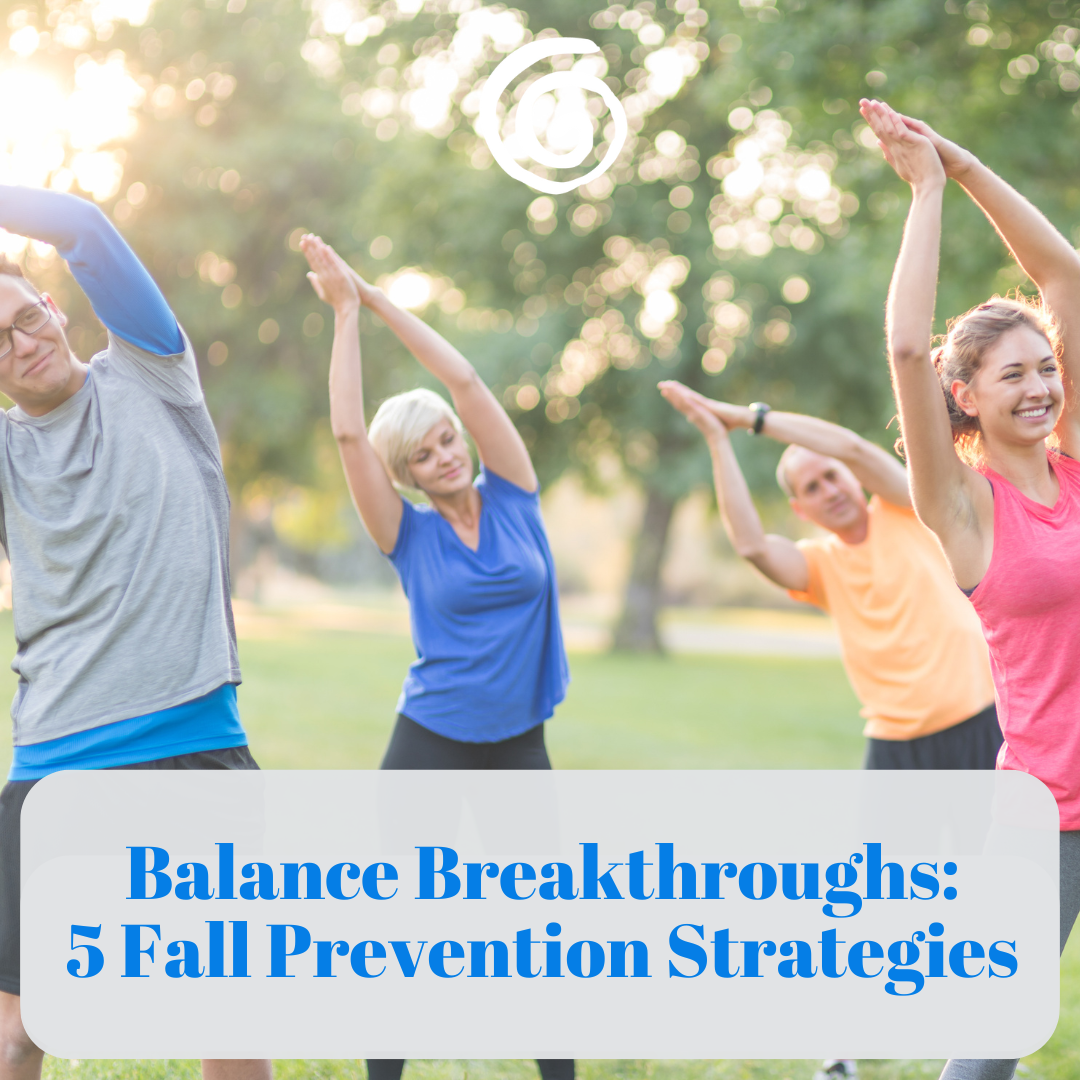
Balance Breakthroughs

Falls don’t have to be an inevitable part of aging. With the right fall prevention strategies and balance training, you can maintain your independence and confidence well into your golden years. Here’s everything you need to know about preventing falls and building better balance.


physical therapy

The Sobering Reality of Senior Falls

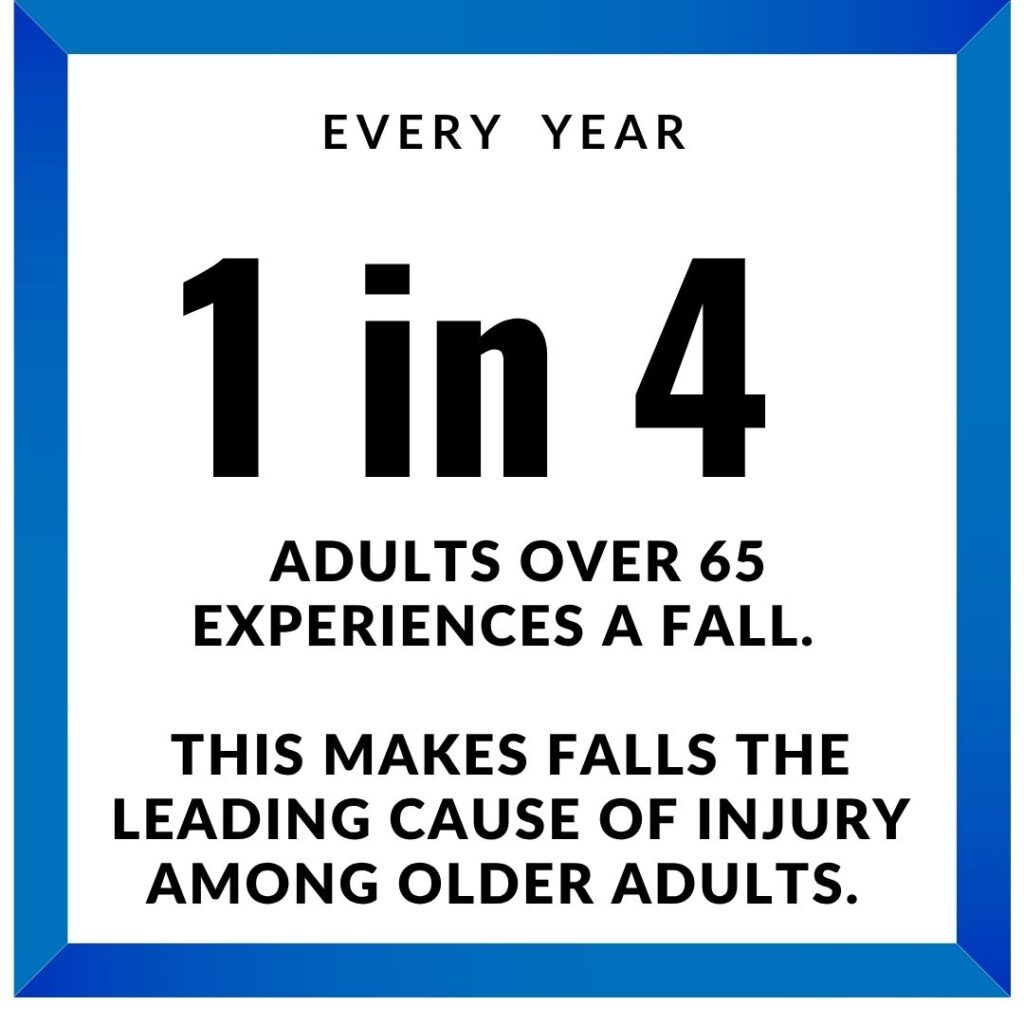
Every year, one in four adults over 65 experiences a fall, making falls the leading cause of injury among older adults. But here’s the empowering truth that our recent lunch and learn session revealed: most falls are completely preventable. You can improve your balance, strength, and confidence at any age with the right approach.

Common Fall Risk Factors 

Understanding what increases your fall risk is the first step in fall prevention. The most common culprits include:


      • Muscle weakness in the legs and core

      • Poor vision or inadequate home lighting

      • Medications that cause dizziness or drowsiness

      • Home hazards like loose rugs and clutter

      • Improper footwear that doesn’t provide adequate support

      • Dizziness or blood pressure issues

    Fall Prevention Strategies

    physical therapy

    Strong muscles are your best defense against falls. These simple balance exercises for seniors can be done safely at home:

    Chair Stands: Practice sitting and standing from a chair 10 times slowly. This builds leg strength essential for stability.

    Heel Raises: Stand tall and lift your heels 10-15 times to strengthen your calves and improve balance.

    Toe Taps: While seated, tap your toes in front of you to maintain ankle flexibility.

    Perform these senior balance exercises 2-3 times per week for optimal results.

    Physical therapy

    Balance training for seniors doesn’t require expensive equipment. Try these proven techniques:

    Single Leg Stand: Hold onto a counter and balance on one foot for 10 seconds. Gradually increase the time as you improve.

    Heel-to-Toe Walking: Practice walking in a straight line, placing your heel directly in front of your toes with each step.

    Tai Chi or Yoga: These gentle practices have been scientifically proven to improve balance and reduce fall risk in older adults.

    Physical therapy, Balance, Baltimore

    Senior home safety starts with identifying and eliminating hazards:


        • Remove loose rugs and electrical cords from walkways

        • Install grab bars in bathrooms and near stairs

        • Use non-slip mats in bathtubs and showers

        • Add night lights in hallways, bedrooms, and bathrooms

        • Keep all walkways completely clear of clutter

      These simple modifications can dramatically reduce your fall risk at home.

      Physical therapy, Balance, Baltimore

      Your shoes play a crucial role in fall prevention for elderly individuals:


          • Wear supportive shoes with non-slip soles

          • Avoid slippers and flip-flops when walking around the house

          • Choose clothing that fits properly and won’t cause tripping

        Physical therapy, Balance, Baltimore

        Many medications can affect balance and increase fall risk. Senior fall prevention includes:


            • Regular medication reviews with your doctor or pharmacist

            • Understanding which medications might cause dizziness

            • Never stopping medications without professional guidance

          Fall Prevention Tips for Optimal Safety

          Regular Health Checkups: Schedule annual vision and hearing tests, as sensory changes can significantly impact balance.

          Nutritional Support: Ask your doctor about checking your Vitamin D and calcium levels, as deficiencies can affect bone strength and muscle function.

          Assistive Devices: Don’t hesitate to use canes, walkers, or other mobility aids if recommended by your healthcare provider.

          Age-Related Balance Changes

          Sensory Changes: Reduced vision, diminished body awareness, and inner ear changes affect our ability to detect and respond to balance challenges.

          Physical Changes: Muscle loss (sarcopenia) and joint stiffness limit our ability to make quick corrective movements.

          Neurological Changes: Slower nerve conduction and reduced coordination affect our automatic balance responses.

          Take Action Today = Safer Tomorrow

          Fall prevention for seniors isn’t just about avoiding injury—it’s about maintaining independence, confidence, and quality of life. Start with one or two strategies from this list and gradually build your fall prevention routine.

          Remember, building better balance is a journey, not a destination. Each small step you take toward senior safety and balance training is an investment in your future well-being.

          Movement Is Medicine


          Don’t Wait for Injury – Your Best Defense Against Injury: Prevent It!

          As the owner of MindBody Physical Therapy & Wellness, I’ve witnessed firsthand how preventative check-ups and movement training can transform lives. While many people only seek help after injury or chronic pain develops, I’m passionate about showing my clients a better way: using the power of physical therapy, Pilates, and specialized balance classes as preventative medicine.

          The Power of Prevention in Movement Training

          What makes our approach different is our focus on injury prevention rather than reaction. Many of our clients come to us not because they’re injured, but because they want to stay active, mobile, and independent throughout their lives. From young professionals combating desk-job stiffness to our remarkable 98-year-old Pilates enthusiast, our community proves that it’s never too early – or too late – to invest in your body’s future.


          “Through a combination of Physical Therapy and Pilates, today I am more active without pain and feel 10 years younger!”

          Why Pilates and Balance?

          Traditional exercise often focuses on building strength or endurance, but Pilates and balance training go deeper. These methods cultivate what I call the three pillars of lasting physical health:

          1. Core Stability and Awareness

          Pilates builds deep core strength and body awareness that helps prevent falls and injuries before they happen. Our clients learn to move with intention and understand their body’s signals.

          1. Functional Movement Patterns

          Instead of isolated exercises, we focus on whole-body movements that translate directly to daily activities. Whether it’s reaching for groceries or playing with grandchildren, these movements prepare you for real life.

          1. Balance and Proprioception

          Our specialized balance training helps clients maintain their independence and confidence in movement, particularly crucial for our older members who want to stay active and self-sufficient.

          The Real Impact: Stories from Our Studio

          Every day, I see the transformative power of preventative movement training. From our active clients who are trying to manage their post-surgery recovery and get back into their routine. Or, another client who is simply seeking to manage their chronic neck and back pain thanks to our personalized approach, our clients are able to get back into the swing of things. Balance classes play an important part for our clients and community to invest in their future, independent self.


          I’ve done Physical Therapy before. And usually end up doing it again and again. The team at MindBodyPT changed all that. We got to the root of my back pain and now I’m able to manage with the right fitness and stretching routines.”

          The Cost-Benefit Analysis of Prevention

          When clients consider working with our team, I often ask them to think about the long-term costs of not investing in preventative care:

          • Potential medical bills from falls or injuries

          • Lost work time due to preventable pain

          • Decreased quality of life from limited mobility

          • Dependency on others for daily activities

          Compare this to the benefits of regular Pilates and balance training:

          • Maintained independence and mobility

          • Stronger core and better posture

          • Improved balance and reduced fall risk

          • Increased body awareness and confidence in movement

          • Community support and motivation

          Getting Started with Preventative Movement Training

          If you’re inspired to take a proactive approach to your physical health, here’s how to begin:

          1. Schedule an Assessment: We start every client relationship with a thorough evaluation and movement assessment to understand your current abilities and goals.

          2. Create a Personalized Plan: Whether you’re 25 or 95, we’ll develop a program that meets you where you are and builds toward your goals.

          3. Join Our Community: Beyond individual progress, our studio offers a supportive community of people committed to staying active and healthy at every age.

          An Investment in Your Future Self

          The beauty of preventative movement training through Physical Therapy, Pilates, and balance classes is that it’s truly ageless. Our community, ranging from young professionals to nonagenarians, proves that it’s never too early or too late to invest in your physical well-being.

          Don’t wait for pain or injury to start thinking about your body’s future. Join us at MindBody Physical Therapy & Wellness Center, Inc., and discover how preventative movement training can help you write your own story of lifelong mobility and independence. Our team has decades of experience and we work with the mission of your having a dedicated therapist. 

          .

          Celebrate Physical Therapists

          October is National Physical Therapy Month

          As we celebrate National Physical Therapy Month, I’m filled with immense pride for our dedicated team and the profound impact we’ve made in our community. As both a physical therapist and a business owner, I’ve witnessed firsthand the transformative power of our work.

          At MindBody Physical Therapy  & Wellness Center, we don’t just treat symptoms; we change lives. Every day, we help our clients:

          • Find relief from persistent pain
          • Recover from injuries with confidence
          • Regain mobility and independence
          • Discover the joy of movement again

          What sets us apart is our unique approach to lifelong movement and wellness. By bridging traditional physical therapy with movement oriented activities, such as Pilates, Balance class (ABC), Fit Box and Yoga, we offer a comprehensive path to sustained health that you won’t find anywhere else.

          Our small, tight-knit team of therapists are more than just colleagues – we’re a force that’s united by a single mission: to uplift and empower our community through expert, compassionate care.

          This month, we’re reaching out to our amazing clients to share their stories. If you’ve been impacted by our work, we’d be honored if you’d consider leaving a review. Your words not only fuel our passion but also help others find the care they need.

          To our clients: Thank you for trusting us with your health journey. Your resilience and determination inspire us every day.

          To my team: Words can’t express how proud I am of your unwavering dedication and expertise. You truly embody the spirit of care and excellence.

          To our community: We’re here for you, not just this month, but every day of the year. Your wellness is our mission, and we’re committed to supporting you every step of the way.

          Here’s to another year of healing, growth, and transformation. Together, we’re not just treating physical ailments – we’re building a healthier, happier community.

          Should We all Be Walking Backwards?

          Here at MindBody Physical Therapy & Wellness, we’re always looking for innovative ways to help our clients regain mobility and improve their overall health. Recently, we came across an interesting Wall Street Journal article about the potential benefits of walking backwards.

          According to the WSJ article, walking backwards can strengthen muscles that aren’t worked as much by regular forward walking. By challenging our balance and coordination in a new way, backwards walking may also help prevent falls as we age.

          There are upsides to this exercise and our team uses this exercise and incorporates into some client treatment plans. We guide clients through short bouts of backwards walking, making sure they feel steady and secure. The challenge is doing this in a way this is safe and right for you.

          We don’t expect backwards walking to fully replace regular walking – forwards is still the best way to efficiently get from point A to B! But mixing in some backwards intervals can help provide a useful strength and balance boost. To learn more about the potential benefits of backwards walking, check out the full WSJ article here.

          What Are The Six Principles of Authentic Pilates? Knowing Each Part Can Make Your Pilates Practice Better

          centering concentration control
          breath precision flow

          If you’ve ever said, “I do Pilates,” you likely know that the practice can take on many forms depending on where you learn the fundamentals and how you approach each lesson.

          At its core, Pilates is a holistic practice that focuses on strengthening the body’s core muscles, improving flexibility, and enhancing body awareness and control. But, not all Pilates practices are created equal. Authentic Pilates, as taught at MindBody Physical Therapy and Pilates, takes your practice to an entirely different level.

          By following a series of movements that are at the heart of every Pilates practice and emphasizing the following six principles, Authentic Pilates can help you reach new heights in your fitness journey.

          These six principles are at the heart of every Pilates practice and are essential to achieving the full benefits of this practice.

          1. Centering
          2. Concentration
          3. Control
          4. Breath
          5. Precision
          6. Flow

          CENTERING

          Centering focuses on understanding where your body is in relation to everything around you- or finding your body’s alignment in space. This is done with a supported surface ( when lying down) and continues in other positions- sitting or standing.

          CONCENTRATION

          Concentration is the ability to focus and translating that focus to your movement. In Authentic Pilates, you work to make the neural connection from your brain to your muscles.

          CONTROL

          Control is a critical element of Authentic Pilates Practice, requiring practitioners to maintain proper form and alignment during each movement. This requires focus and mindfulness of the body’s position and movements, essential for achieving the intended benefits.

          By working on mastering control, practitioners can improve overall strength, balance, and stability. It’s closely related to the elements of Centering and Concentration, as they work together to promote the mindful and precise movements that define Authentic Pilates Practice.

          BREATH

          Proper breathing technique is a vital aspect of the Authentic Pilates practice. It helps you maintain focus and control, and also oxygenates your muscles, promoting overall health and wellness. During each movement, it’s important to breathe smoothly and rhythmically. By paying attention to your breath, you can gain a deeper understanding of your body’s internal mechanics and make more precise and efficient movements.

          PRECISION

          Precision is a crucial principle of Authentic Pilates. Every movement should be executed with the utmost attention to detail and proper form, which demands a deep understanding of your own body and a willingness to continually refine your technique. By prioritizing precision, you can improve your overall body awareness and control, enabling you to move with greater ease and grace. This not only enhances your physical performance but also helps you avoid injuries and achieve your fitness goals more effectively.

          FLOW

          Flow is an essential element of Authentic Pilates. It refers to the smooth and seamless transition from one movement to the next, creating a sense of fluidity and continuity throughout the practice. Achieving this requires a level of coordination and grace that can only be developed through consistent and diligent practice.

          By mastering the Flow component, you’ll not only enhance the physical benefits of Pilates but also experience a sense of calm and mental focus that can positively impact your overall well-being.


          At its core, Authentic Pilates is a holistic practice that seeks to unite the mind, body, and spirit. By following the six principles of centering, concentration, control, breath, precision, and flow, practitioners can improve their overall health and well-being in many ways. This practice can help to build strength, flexibility, and body awareness, which can all contribute to a more balanced and centered life.

          Authentic Pilates is not just an exercise routine; it’s a lifelong practice that requires a commitment to continual learning and improvement. Whether you are a seasoned practitioner or a beginner, there’s always more to discover about your own body and movement patterns. By embracing the principles of Authentic Pilates, you can achieve greater control and mastery of your body, and unlock the full potential of your mind, body, and spirit.

          At MindBody, we know that Authentic Pilates is a beautiful practice that can help people achieve a deeper sense of control, balance, and wellness. By following the six key principles of centering, concentration, control, breath, precision, and flow, practitioners can improve their overall physical and mental health, which leads to a more fulfilling and balanced life. Just as Joseph Pilates planned when developing this system.


          Swim Across America Baltimore 2020 Challenge

          The Swim Across America Maryland event raised over 200K this year, the 2nd highest in the nation!  This year the SAA-Baltimore Personal Challenge 2020 replaced the open water swim, calling participants to chose their own challenge for their fund-raising goal. Our team raised $4454!  Here is a video that Annie made of the different teams and top fund raisers that participated in the event this year. Mind Body continues to support the effort to “make waves to fight cancer!”

          Patty Wessels featured on WCBM Radio

          Our very own Patty Wessels was featured on WCBM radio to discuss her approach to treating arthritis and chronic pain. You can read the description of the show and listen to Patty’s perspective by clicking this link.

          “Arthritis affects ~50 million Americans and is the most common cause of disability among adults. We are talking today with Patty Wessels, a 16-year certified physical therapist from Mind Body Physical Therapy. She discusses how some of her arthritic clients relieve their joint and bone pain by using CBD oil, in addition to stretching and exercise. However, if you are experiencing arthritic symptoms or have been diagnosed with one of the over 100 kinds of arthritis and relation conditions, how should you approach trying CBD? Dr. G explains the Do’s and Don’ts when choosing CBD as a treatment choice.”

          Max and Steven’s Podcast, “Mild to Severe Arthritis Pain: Can CBD Oil Help?”  Episode 24


          Bird Watching As Meditation

          With more time spent at home, many people have taken up bird watching as a hobby. If you are new to birdwatching, the Audobon Society has a link of Maryland Specific resources to help you get started identifying birds and connecting with other local birdwatchers in the area. Appreciating the color, sounds and personalities of the birds in your backyard is a beautiful activity to embrace during this time.