Pilates is having a moment—again. From celebrities to rehabilitation patients, everyone seems to be discovering (or rediscovering) the transformative power of this low-impact strength and flexibility method. But with so many Pilates offerings available today—from boutique studios to gym classes to online apps—how do you know if it’s right for you? And more importantly, how do you ensure you’re learning it correctly?
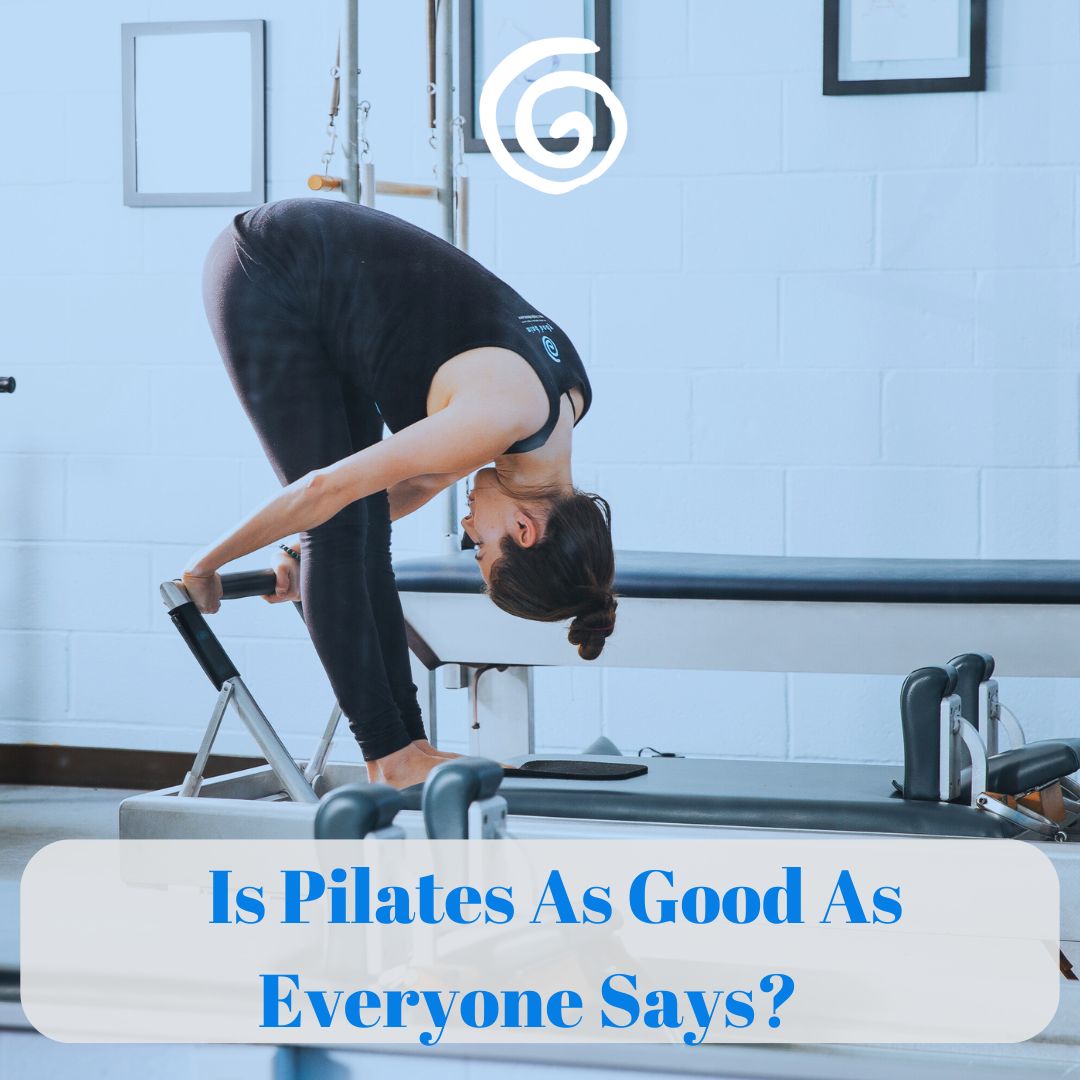
A New York Times article, “Is Pilates as Good as Everyone Says?”, explores what Pilates can and can’t do—and the findings align perfectly with what we’ve witnessed firsthand at MindBody Physical Therapy. We’ll be upfront: we’re biased. We’ve seen Pilates change lives here in Baltimore for over two decades. But the science backs us up. (link to article at bottom of article)
The Research About Pilates
Improve muscle endurance and flexibility — building long, functional strength rather than bulk
Reduce chronic pain — particularly back pain, neck pain, and joint discomfort
Lessen anxiety and depression — through the focused mind-body connection built into every movement
Strengthen the core muscles around the spine — the deep stabilizers that most gym workouts miss entirely
Improve balance, posture, and core stability — critical for healthy aging and injury prevention
Reduce risk of musculoskeletal and joint injuries — by correcting imbalances before they become problems.
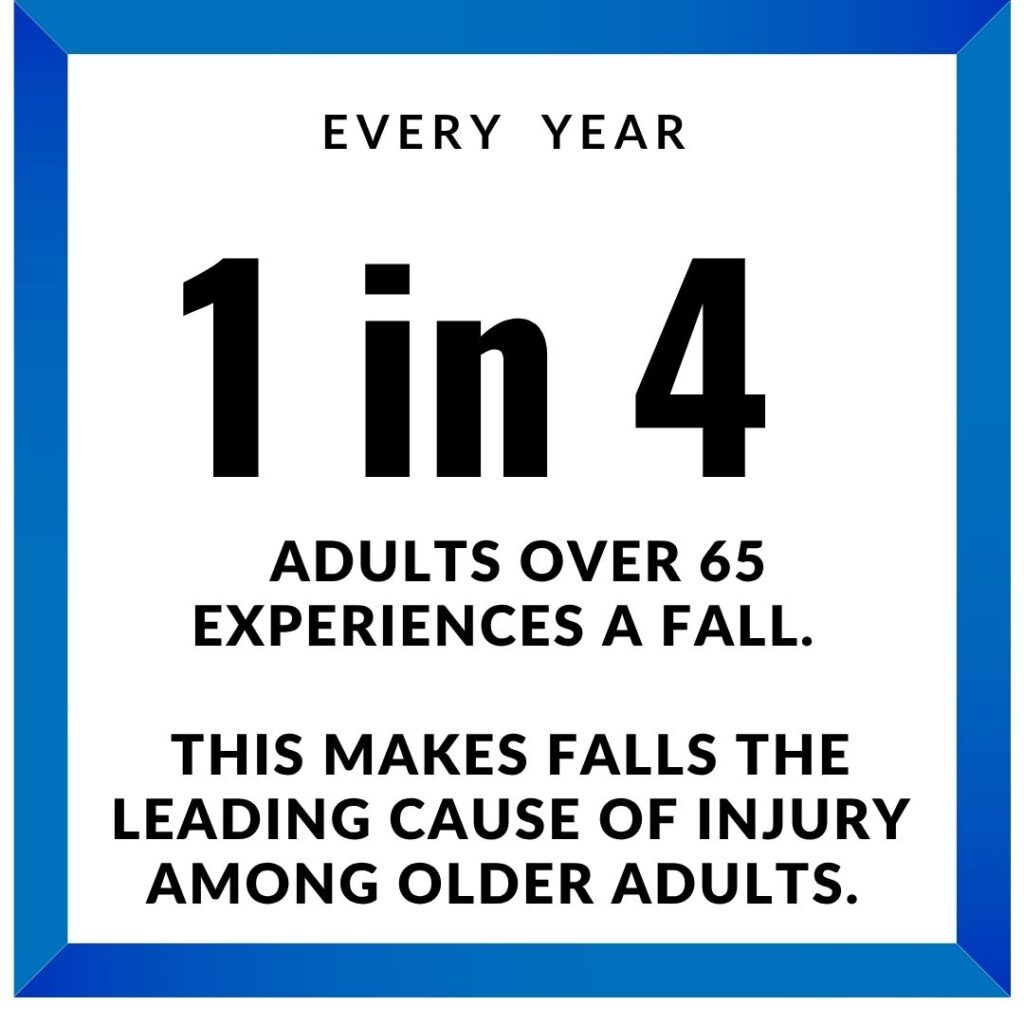
Pilates Helps Prevent Falls
functional mobility, mobility, spatiotemporal parameters of gait, postural balance and physical activity improved in healthy older adults after 6 weeks of Pilates with a supplementary home program.
Sources: ScienceDirect, https://www.sciencedirect.com/science/article/abs/pii/S1360859221001339
Unlike fitness trends that promise quick fixes, Pilates works by focusing on controlled, precise movements that emphasize the mind-body connection. Every exercise stems from the core. Movements are repeated strategically to build strength without exhausting the muscles. Progress is steady, cumulative, and lasting.
Whether you’re recovering from an injury, managing chronic pain, or simply want to move better in your daily life, Pilates offers something genuinely valuable—and the research agrees.
Not All Pilates Courses Are Created Equal
Here’s what many people don’t realize when they walk into their first class: the method matters enormously.
Pilates was developed by Joseph Pilates as a complete, intelligent system—a specific sequence designed to move the body through its full range of motion, building from foundational exercises to more complex movements as strength and control develop. This is Classical Pilates, and it follows the original method that has transformed bodies and lives for nearly a century.
Many modern adaptations pick and choose exercises without maintaining the integrity of the original sequence. These classes can still provide some benefits—movement is always better than no movement—but they’re not the same experience as learning the authentic method with a comprehensively trained instructor.
Our .02: Learn the fundamentals with an experienced instructor, where you take your Pilates Practice is grounded in good practices and form.
The Instructor Question Nobody Asks (But Should)
This is where we get on our soapbox—because it matters
There are people who will tell you they teach Pilates after completing a weekend workshop. And there are instructors who have spent years in comprehensive training programs, logging hundreds of hours of hands-on practice, thousands of dollars in education, and a genuine obsession with understanding how the human body moves.
These are not the same thing.
When you’re working with a body dealing with chronic pain, recovering from surgery, or managing a neurological condition, the difference between a weekend-certified instructor and a comprehensively trained one isn’t just about quality—it’s about safety.
At MindBody our Pilates instructors are trained in the Romana’s Pilates method—a direct lineage from Joseph Pilates himself. Wendy Quitasol has completed thousands of hours of training and continues her education because the body is endlessly complex and there is always more to learn. The Team works across methods but always grounded in the fundamentals.
T
Our View: Pilates Is A Great Combination with Physical Therapy
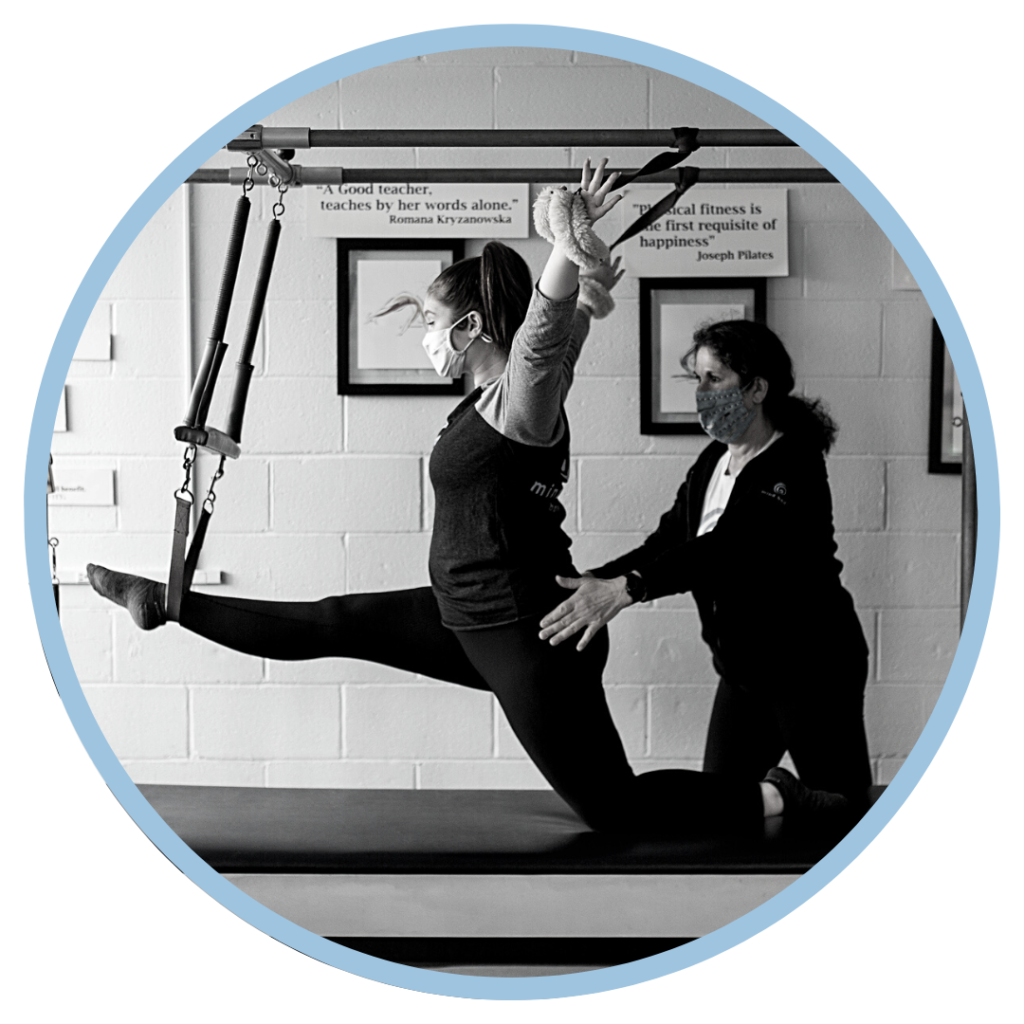
Most fitness methods treat the body in isolation—strengthen this muscle, stretch that one. Physical Therapy identifies the root cause of how your body is moving (or not moving). Pilates gives you the precise, controlled movement practice to rebuild from that foundation.
Added benefit, when you work with a Physical Therapist who is also a Pilates instructor, you get:
- Assessment before exercise — we understand your injury history, compensations, and movement patterns before you ever touch the equipment
- Individualized programming — not a class where everyone does the same thing regardless of their body
- Progression that makes sense — building intelligently from where you are, not where a class schedule says you should be
- Injury prevention built in — we catch problems before they become setbacks
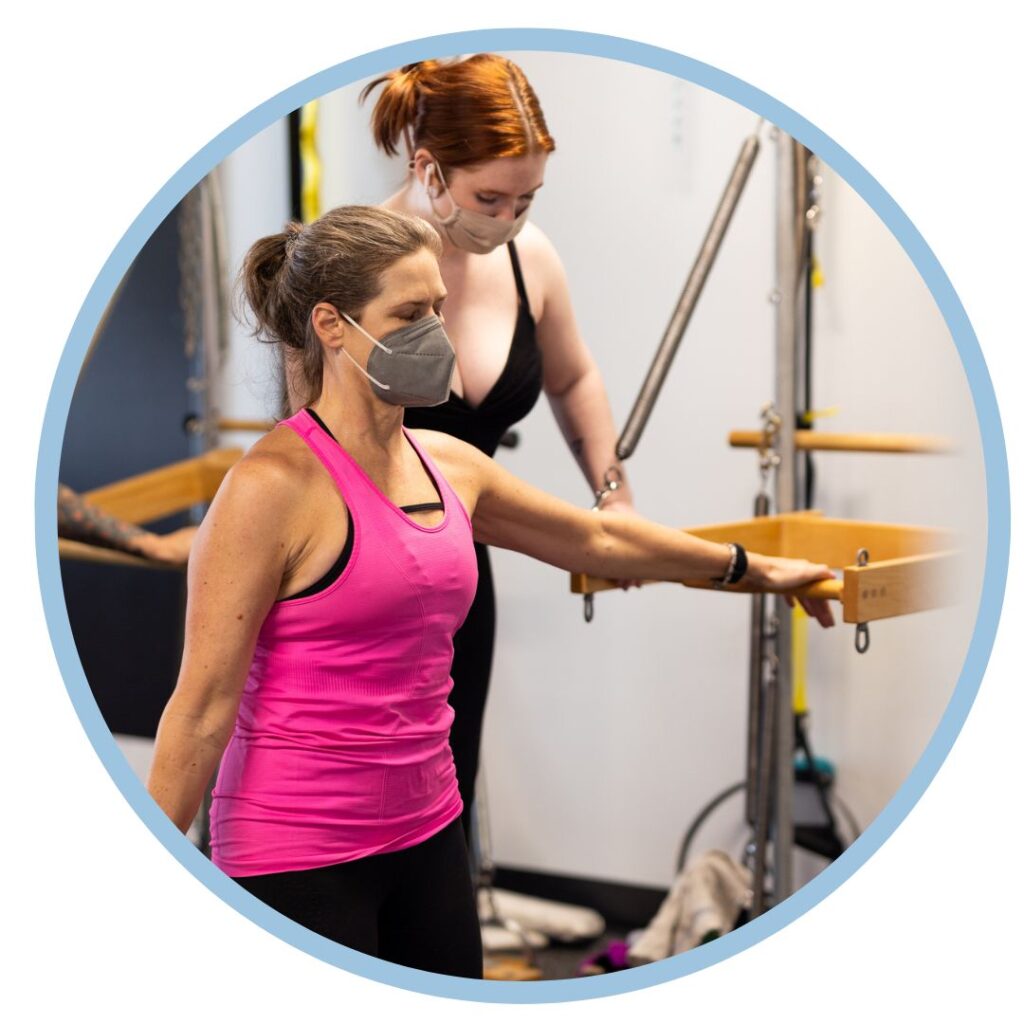
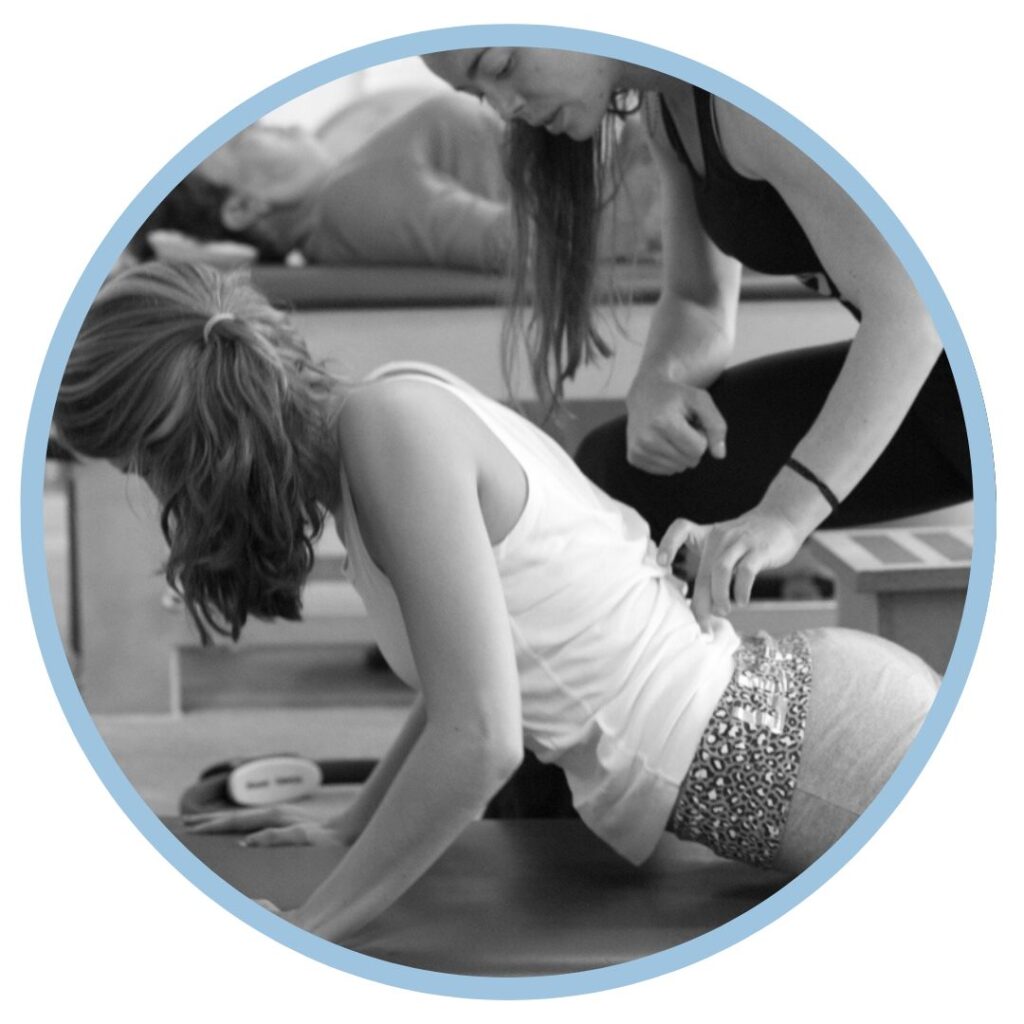
This is why our model at MindBody has always been a personalized approach. You deserve individualized attention—not a crowded room where the instructor can’t see your form from across the space.
Who Is Pilates Right For?
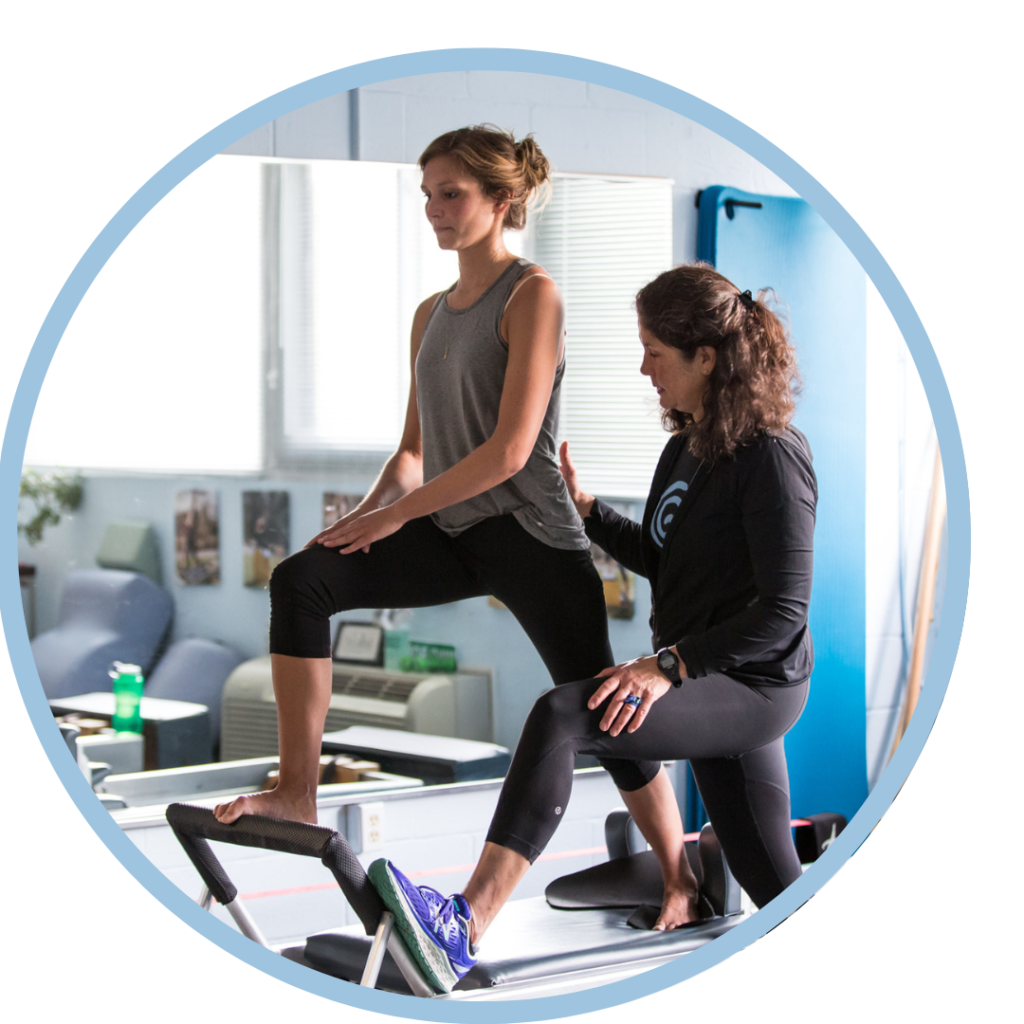
People recovering from injury — Pilates on the apparatus provides support and feedback that mat work can’t replicate. The spring resistance helps, guides, and challenges simultaneously.
People with chronic back or neck pain — The deep core strengthening and spinal decompression built into Classical Pilates addresses the root cause of most chronic pain, not just the symptoms.
People who sit at a desk all day — The postural work in Pilates directly counteracts the damage of prolonged sitting: tight hip flexors, weak glutes, rounded shoulders, compressed spine.
People over 50 — Balance, bone density, posture, fall prevention—Pilates addresses all of it in a low-impact format that’s sustainable for decades.
Athletes — Core stability and body awareness translate directly to performance in every sport. Many elite athletes use Pilates as the foundation of their training.
People who’ve “tried everything” — If you’ve done physical therapy, chiropractic, massage, and still don’t feel right, the missing piece is often movement re-education. That’s exactly what Pilates does.
What to Expect at MindBody
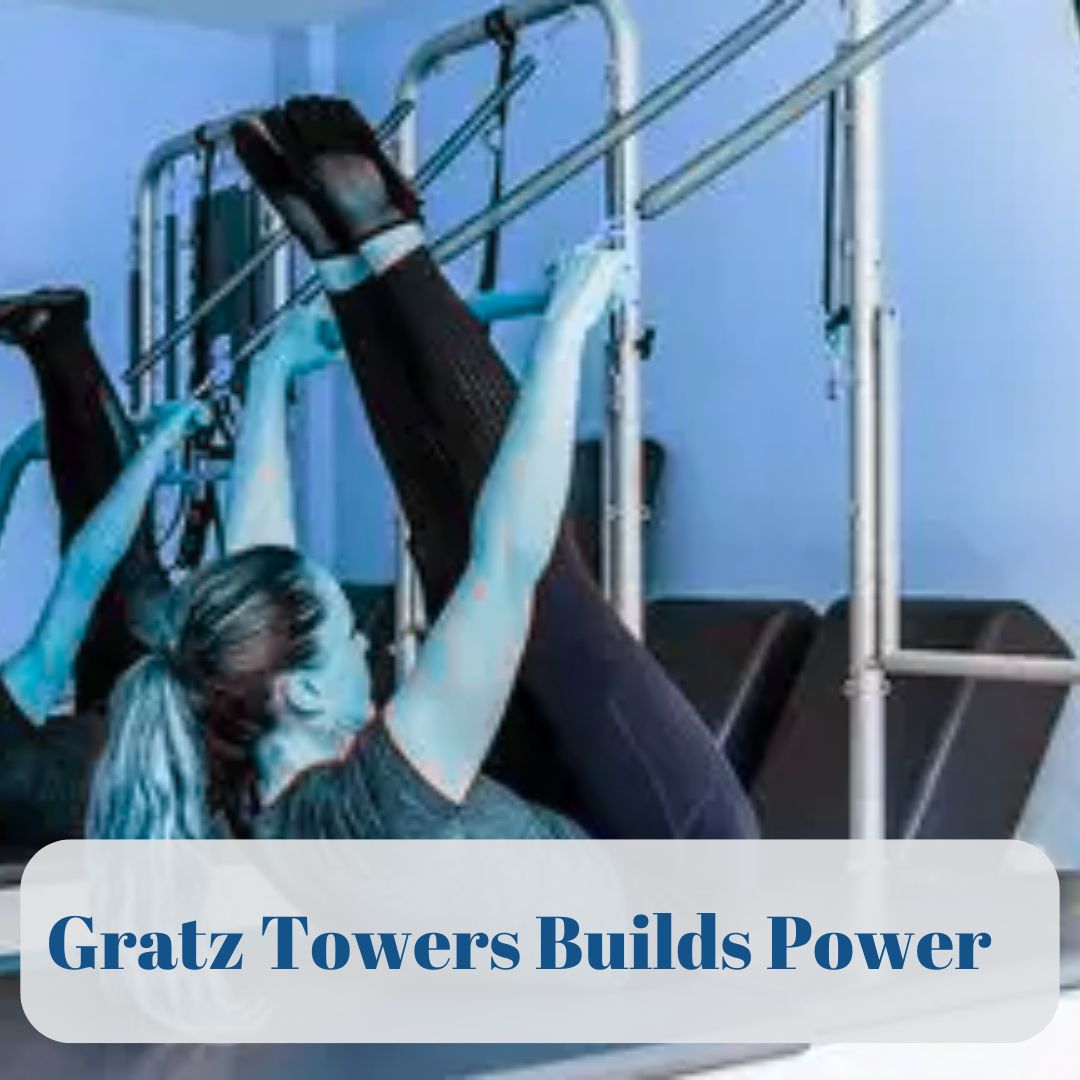
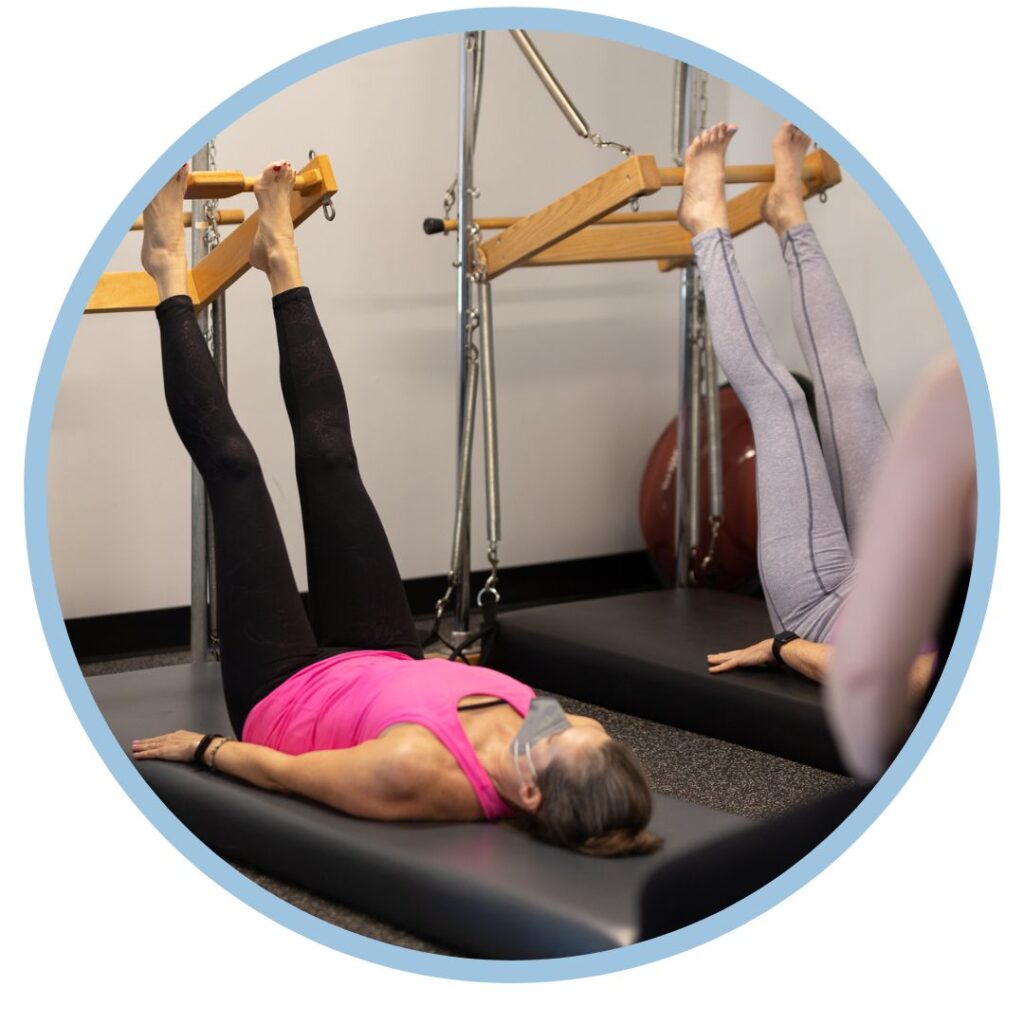
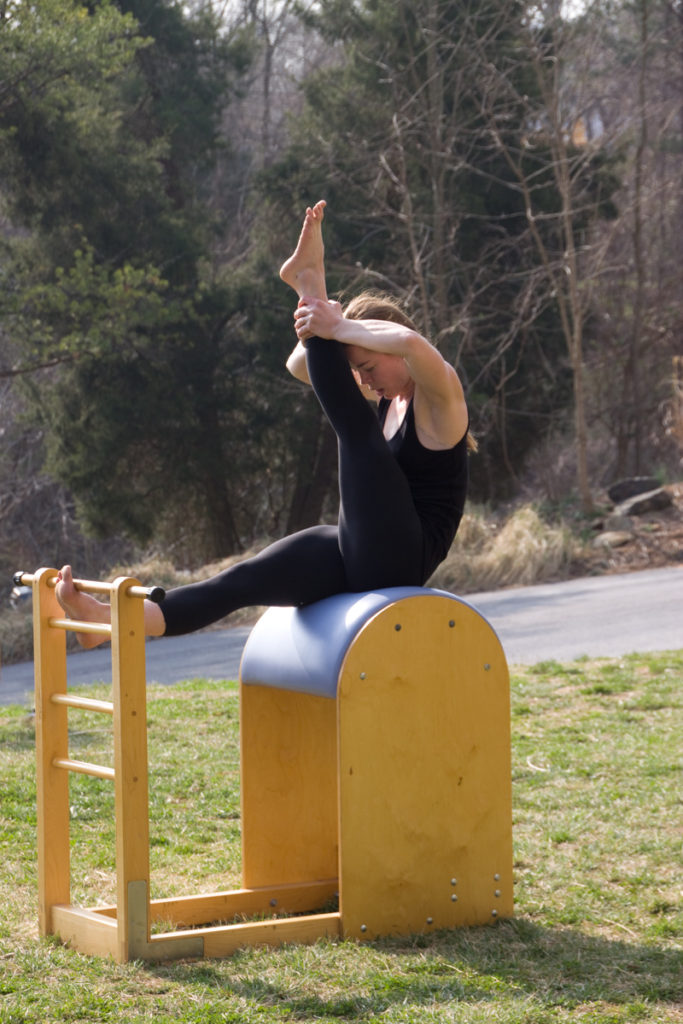
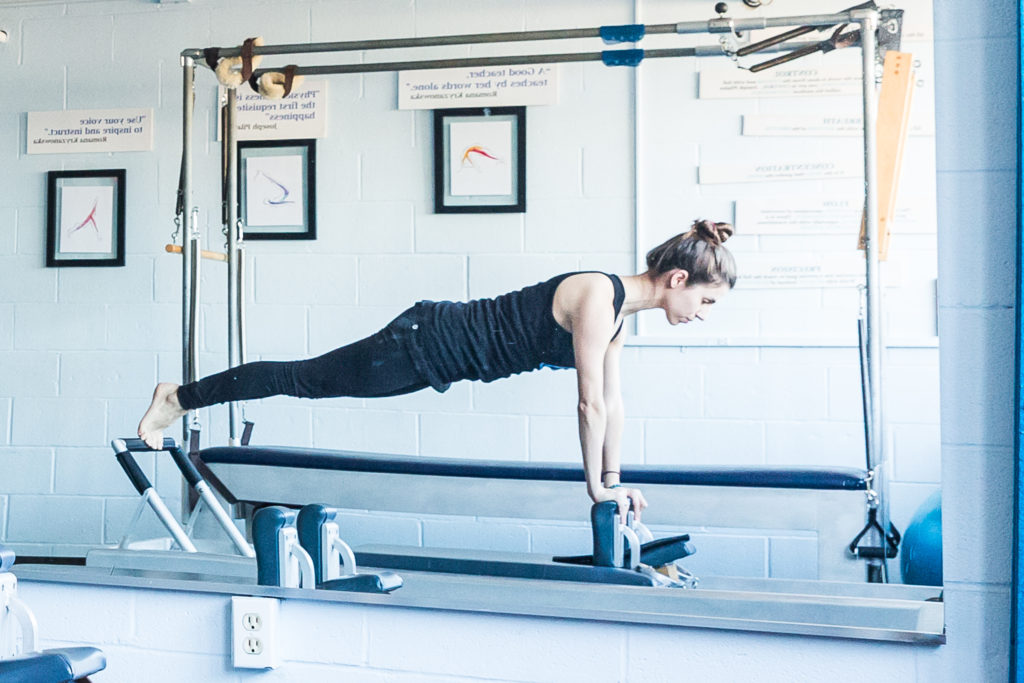
We offer Classical Pilates on authentic Gratz apparatus—the gold standard in Pilates equipment, handcrafted to Joseph Pilates’ original specifications. The springs, angles, and dimensions are precisely calibrated to deliver the results Pilates intended.
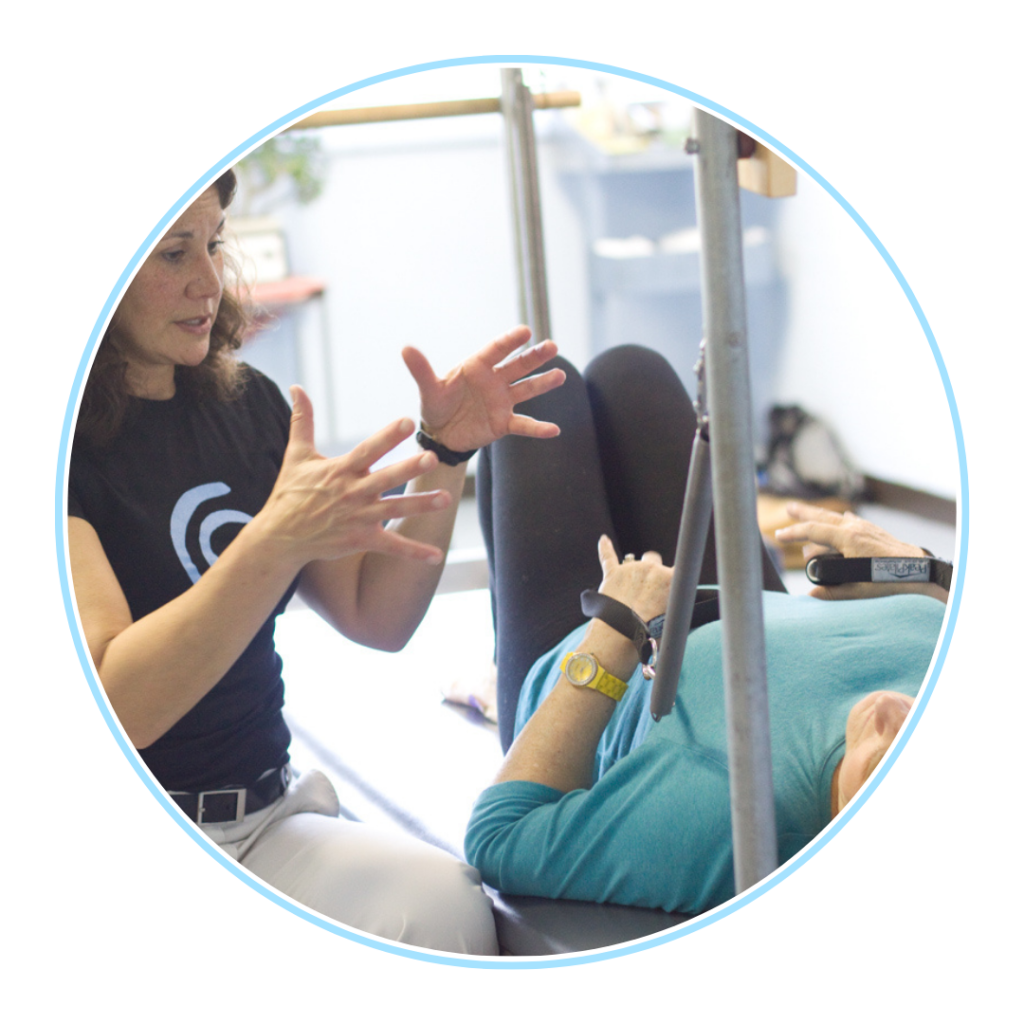
Our approach:
- Private and semi-private sessions only — you receive real attention, real corrections, real progress
- Expertise — your instructor understands injury, anatomy, and movement that comes with experience
- Classical method — the complete system, not a curated highlights reel
- Located in Baltimore — serving the Baltimore and surrounding communities since 2000
Whether you’re brand new to Pilates or an experienced practitioner looking to deepen your practice, we’d love to talk about whether MindBody is the right fit for you.
The Bottom Line on Pilates
Is Pilates as good as everyone says? In our experience—yes. With the right instructor, the right method, and the right approach for your body, Pilates delivers on its promises in ways that few other movement practices can.
The research supports it. Our clients prove it every day. And after more than two decades of combining Physical Therapy and Pilates in Baltimore, we’ve seen what’s possible when people commit to moving well.
We’re biased. But we’re biased because we’ve watched it work.
Ready to find out if Pilates is right for you? Contact MindBody Physical Therapy to schedule a consultation with one of our Physical Therapist-trained Pilates instructors.
Original NYTimes Article is here.