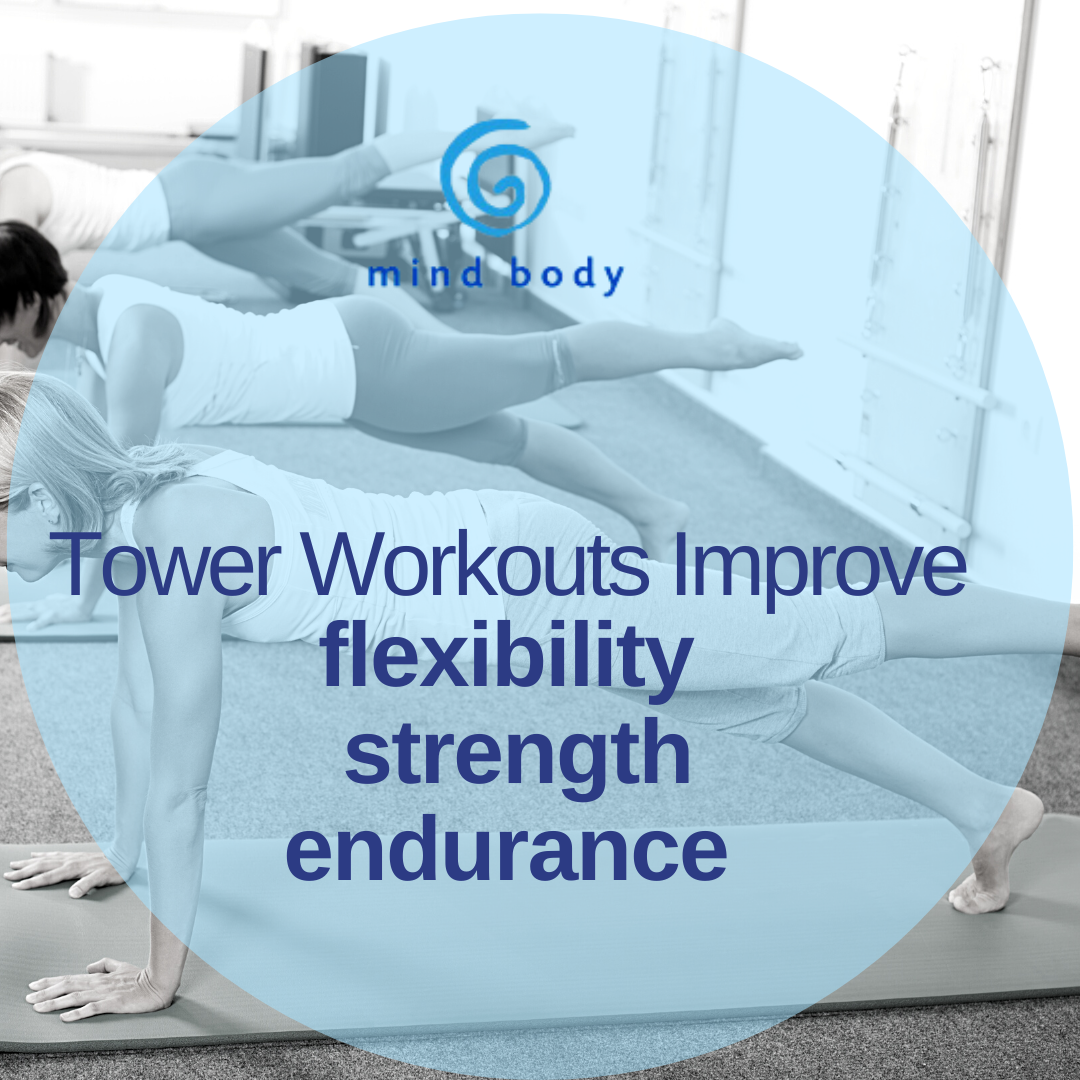
The Tower Class: Your Standing Date for Strength, Friendship, and Better Movement

Remember when making plans with friends meant actually seeing each other? Not just texting. Not just liking their Instagram posts. Actually showing up, week after week, to do something together.

What if that something made you stronger, moved better, and felt incredible in your body?

Welcome to our Tower classes at MindBody Physical Therapy—where friendship meets fitness on some of the most effective Pilates equipment ever designed.
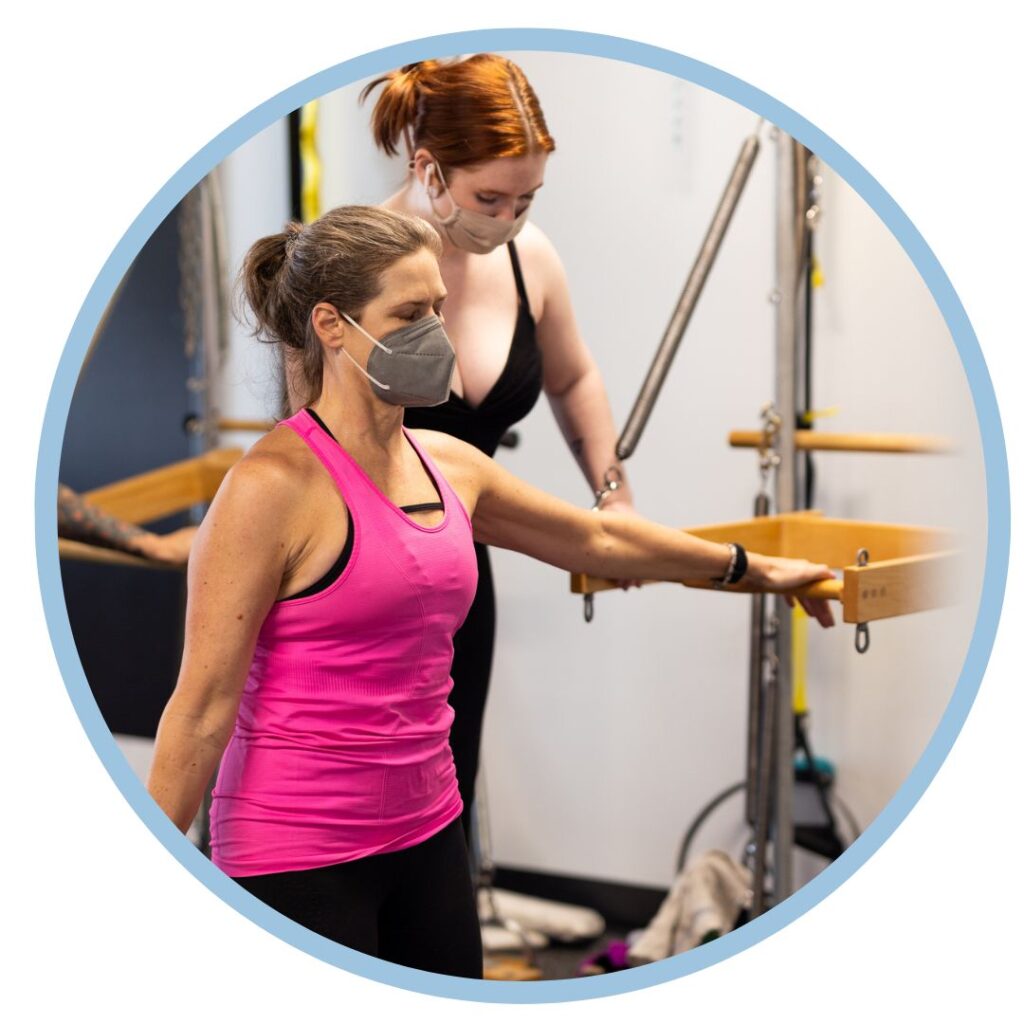
Tower Pilates? Try It.

Joseph Pilates created the Tower (also called the Wall Unit) as one of his original apparatus designs, and for good reason. The Tower uses springs and bars to provide variable resistance that challenges your body in ways mat work simply can’t replicate.

Unlike machines at a typical gym that isolate single muscles, the Tower trains your entire body to work as an integrated system. The spring resistance builds strength through your full range of motion while simultaneously improving flexibility and alignment. You’re not just getting stronger—you’re moving better.

Gratz Equipment. It Matters.

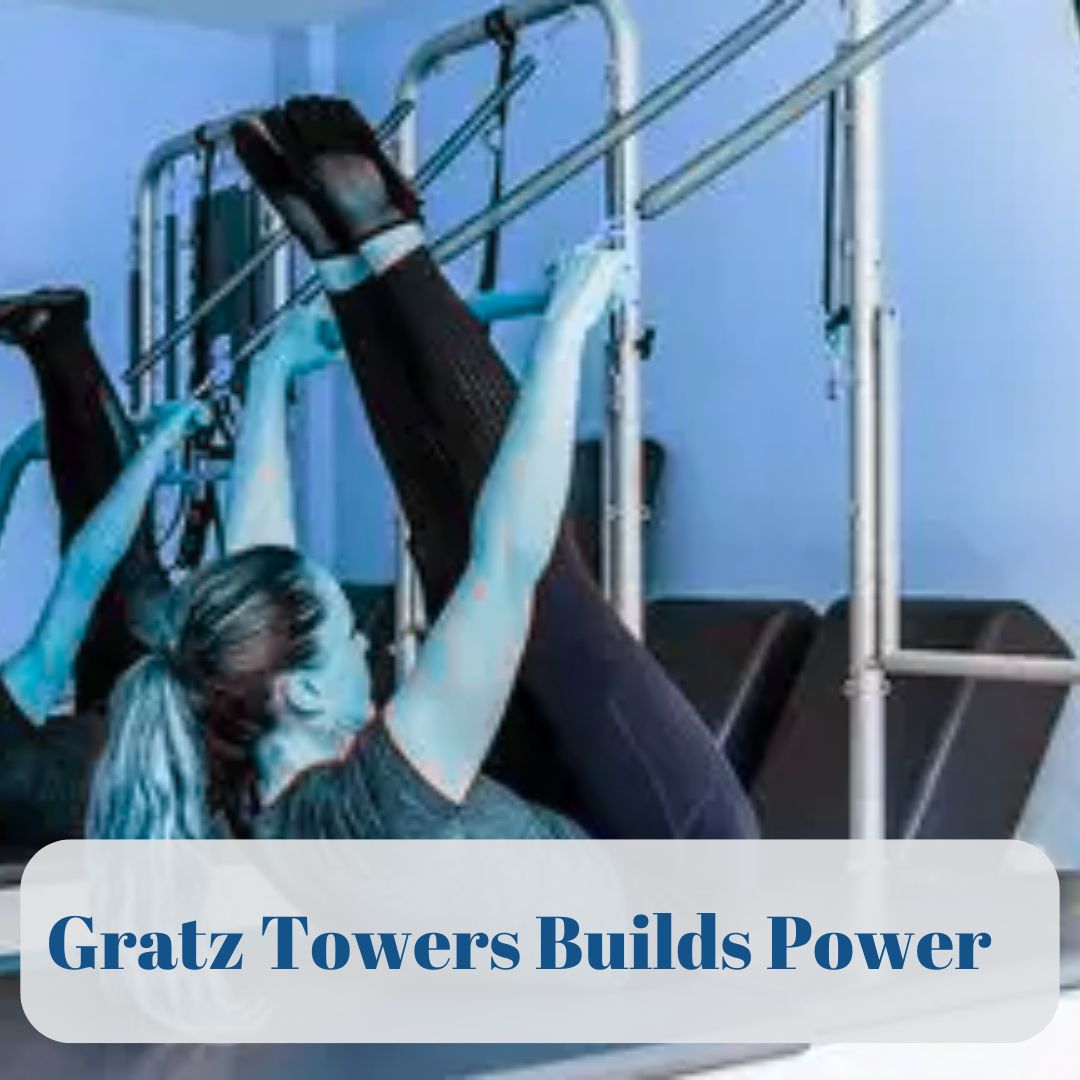
At MindBody, we use authentic Gratz Tower equipment—the gold standard in Pilates apparatus. Gratz has been handcrafting Pilates equipment since the 1960s using Joseph Pilates’ original specifications. The springs, the angles, the dimensions—everything is precisely calibrated to deliver the results Pilates intended.

This isn’t boutique fitness equipment designed to look good in a studio. This is professional-grade apparatus designed to transform how your body moves.

Pilates Baltimore; Gratz

The Problem with Most Fitness Classes

You sign up. You go a few times. Life gets busy. You stop going.

Or you go to a packed class where the instructor barely knows your name, can’t see your form from across the room, and certainly can’t give you the corrections you need to actually improve.

Or you work out alone, which requires constant self-motivation that eventually runs dry.

The research on exercise adherence is clear: people who work out with friends are significantly more likely to stick with their fitness routine. Social accountability isn’t just nice to have—it’s the difference between a habit that lasts and a resolution that fades.

Friendship + Fitness

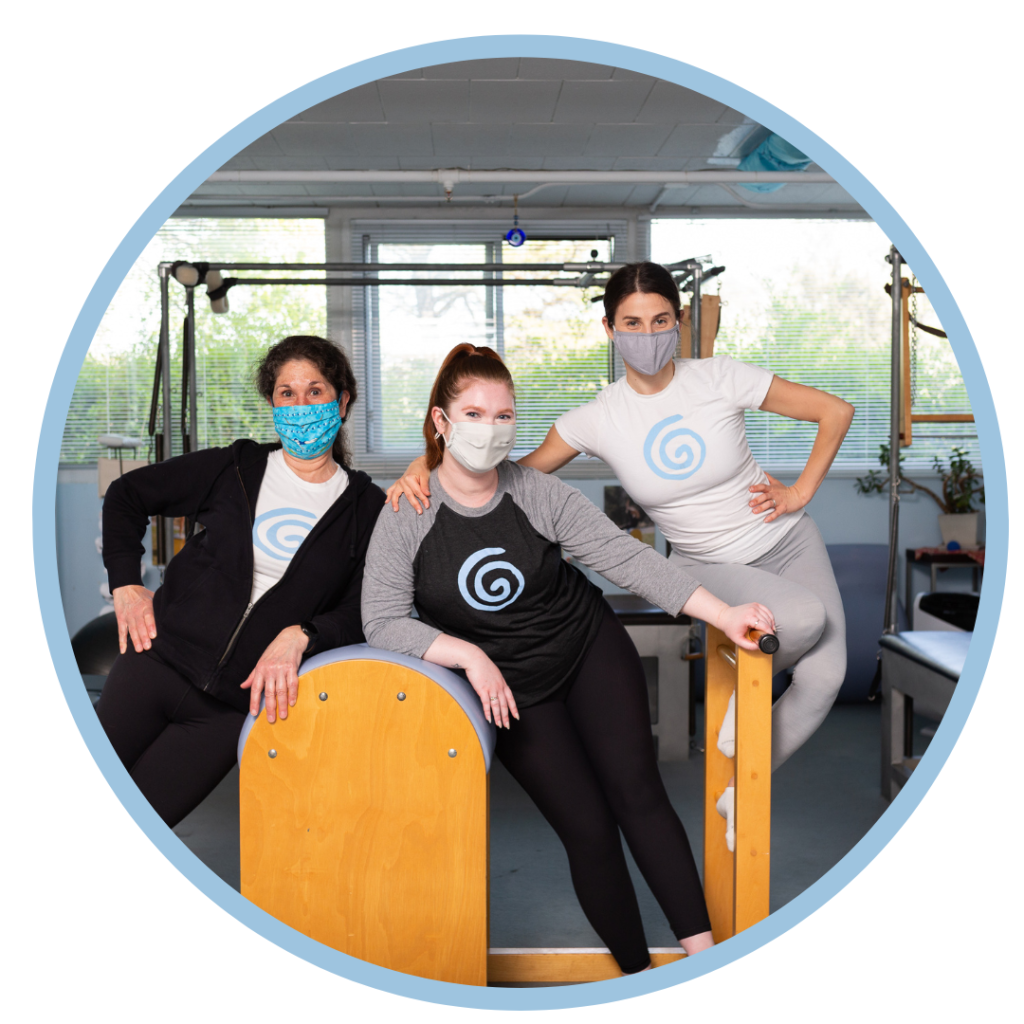
Here’s how it works: You bring two friends. That’s it. Three people total.

You schedule a set class time that works for all three of you—your standing date every week. Same day, same time, same place. No rescheduling. No “let me check my calendar.” Just a non-negotiable appointment with your friends and your health.

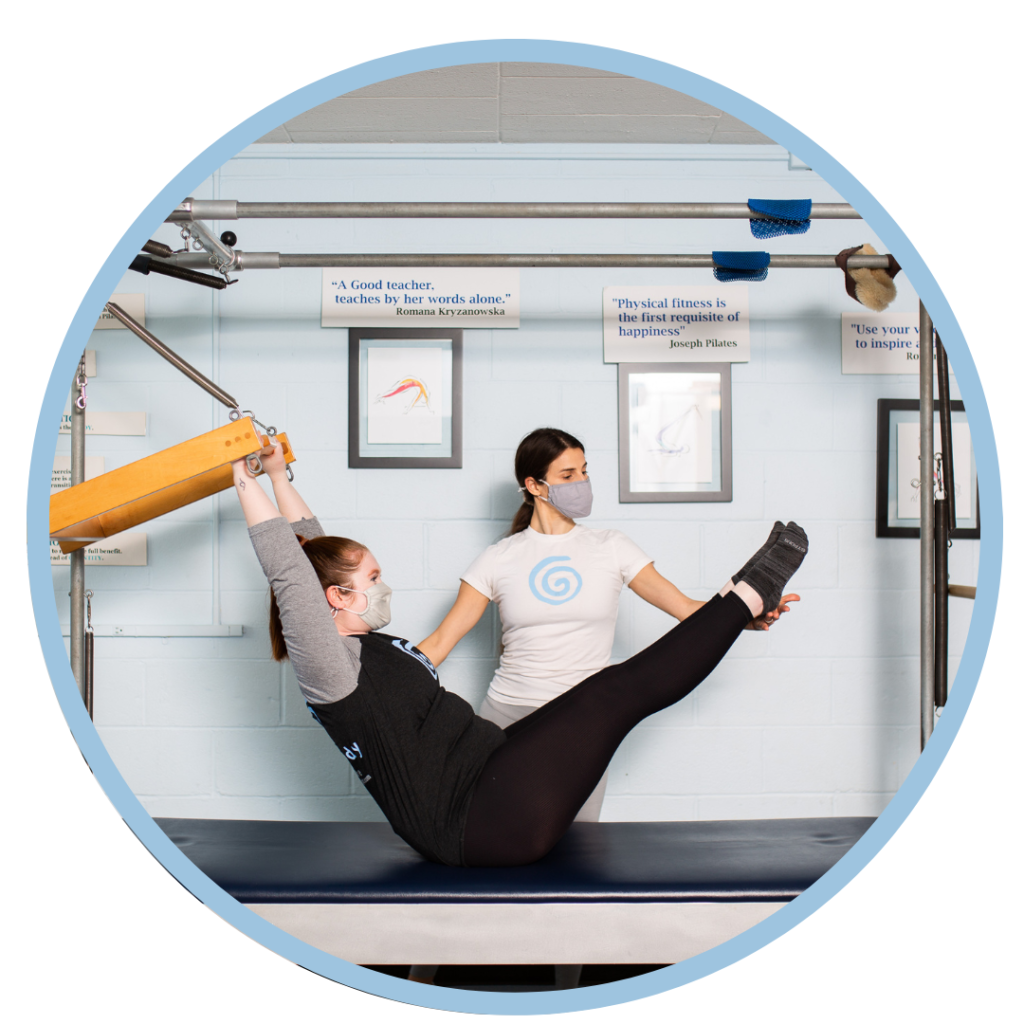
Limited to three participants per class. This isn’t a crowded group fitness scenario where you’re just another body in the room. With only three people on three Towers, your instructor—with over 500 hours of Pilates training—can see everything. Every misalignment. Every compensation pattern. Every moment where you need a cue to engage deeper or release tension.

PERSONALIZED APPROACH: You receive personalized attention that actually corrects your form, not just encouragement to push through one more rep. We see what your body is doing, understand why it’s moving that way, and know exactly how to help you move better

What Happens in a Tower Class

Each Tower class focuses on targeted exercises using springs and bars for resistance. The spring system provides constant, variable tension that challenges your muscles eccentrically (as they lengthen) and concentrically (as they shorten)—building strength through your complete range of motion.
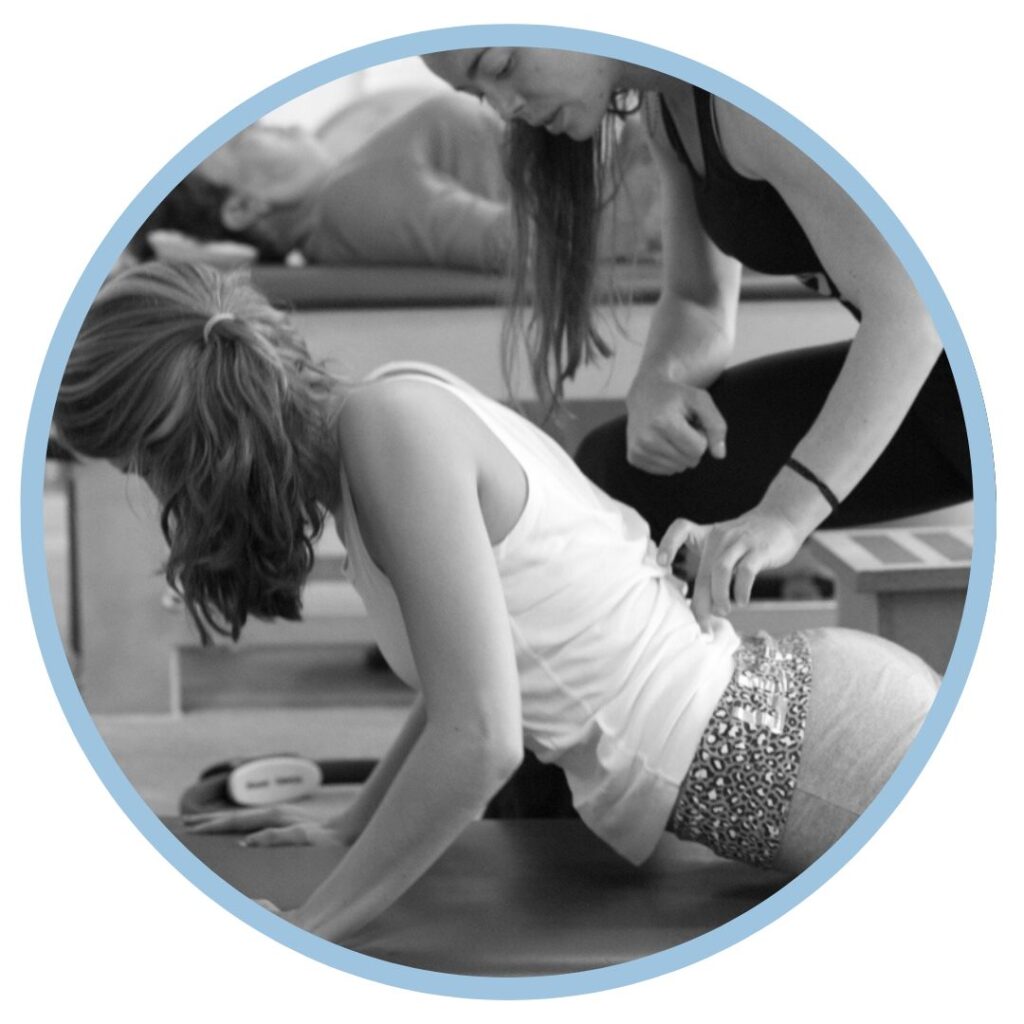
You’ll work through exercises that:

  • Build core strength and spinal stability: Spring-loaded leg and arm work that requires your deep core muscles to stabilize against resistance
  • Improve posture and alignment: Exercises designed to open tight chest muscles, strengthen weak upper back, and decompress your spine
  • Increase functional strength: Movements that translate directly to daily activities—reaching overhead, bending down, rotating your torso
  • Enhance flexibility and mobility: The Tower allows for deep stretching with support, improving range of motion safely and effectively

Because the Tower is a standing apparatus, you’re training your body in the positions you actually use in life. You’re not lying on a mat hoping the strength you build will somehow transfer to standing activities. You’re strengthening your body in functional, upright positions that immediately improve how you move through your day.

Why Workout with Friends: Keeping Your Workout Schedule

Think about it: You schedule dinner with friends, and you show up. You plan a weekend trip together, and you make it happen. Why? Because you’re not just committed to the activity—you’re committed to the people.

Three is the magic number. It’s small enough that you actually connect with each other. You know when someone’s having a tough week. You celebrate wins together. You text each other the night before: “See you at 6 tomorrow!”

But it’s also large enough that if one person has a conflict, the other two can still meet. The commitment doesn’t fall apart if one friend travels for work or has a family obligation.

And here’s what happens when you work out with the same two friends every week: You get stronger together. You notice each other’s progress. You encourage each other when an exercise is challenging. You laugh when someone’s spring tension sends them flying (it happens—the Tower has personality).

You build something more valuable than fitness. You build consistency. Connection. A shared investment in taking care of yourselves.

Start Together, Stay Together

January is when everyone makes promises to themselves. Join a gym. Start working out. Get healthier.

By February, most of those promises are broken. Not because people lack willpower, but because they lack structure, accountability, and proper guidance.

Our Tower Series: Three friends. Five sessions on the Tower. A set day and time that becomes your weekly ritual.And because you’re doing it together, you’ll actually finish what you start.

Who Should Take Tower Classes?
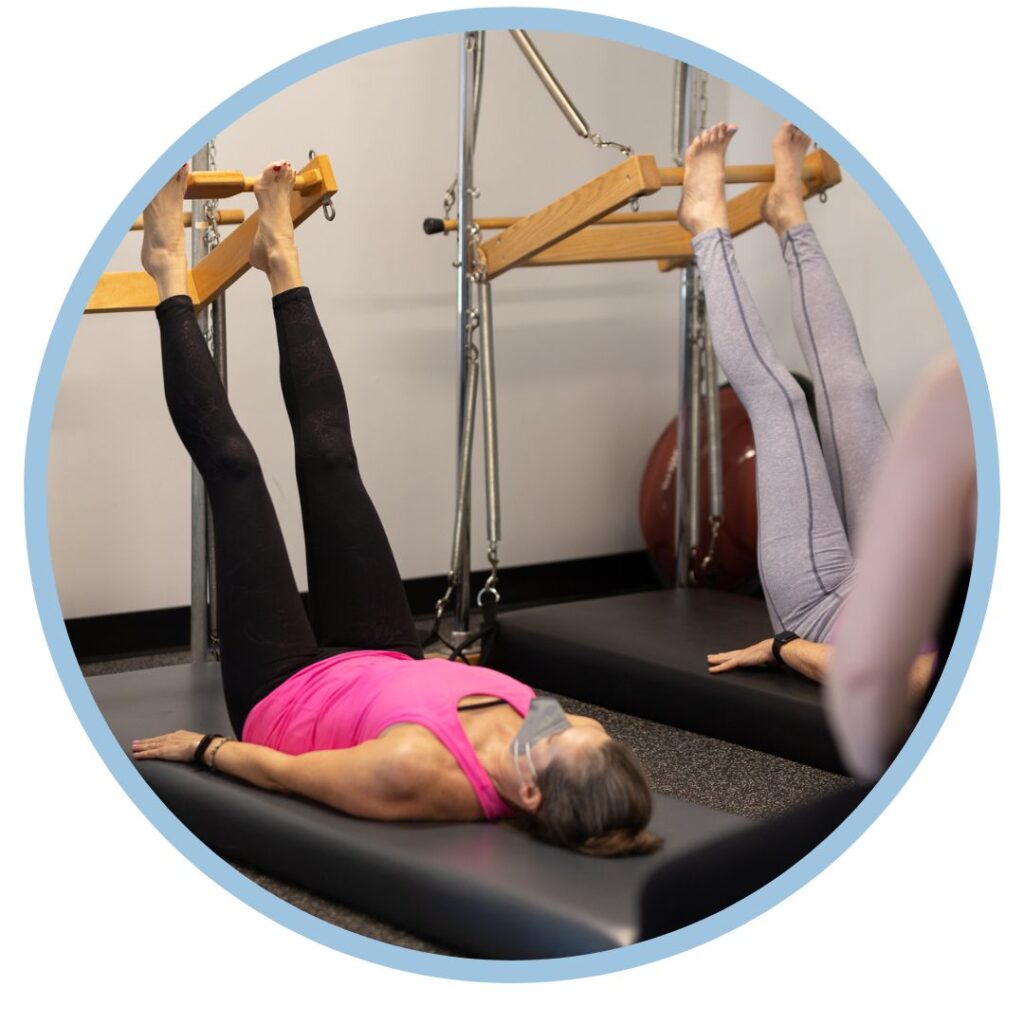
Tower classes are appropriate for all fitness levels. Whether you’re:

  • New to Pilates and want to learn with friends in a supportive environment
  • Experienced in mat Pilates and ready to progress to apparatus work
  • Dealing with chronic back pain, neck pain, or postural issues
  • Recovering from an injury and cleared by your doctor for exercise
  • An athlete looking to improve core strength and prevent injury
  • •Someone who works at a desk and needs to undo the damage of sitting all day

The Tower meets you where you are. The adjustable spring resistance allows for infinite modifications—we can make exercises easier or more challenging based on your specific needs and abilities.

And because your instructors are trained in thousands of hours of Pilates, we understand injuries, limitations, and how to work safely with your body’s unique needs. This isn’t cookie-cutter fitness. This is individualized programming in a small group setting.

Five sessions is enough to learn proper form, feel real changes in your strength and mobility, and establish the habit of showing up. After five weeks, you’ll understand why Pilates practitioners become Pilates devotees. You’ll feel what it’s like to move from your center, engage muscles you forgot you had, and stand taller without thinking about it.

Take Your Practice to the Next Level

If you’ve been doing mat Pilates, the Tower is your next evolution. The apparatus allows for exercises that simply aren’t possible on the mat, targeting muscles and movement patterns that take your practice deeper.

If you’ve never done Pilates, the Tower provides feedback and support that makes learning proper form easier. The springs guide your movements, helping you understand what correct engagement should feel like.

If you’ve been working out but not seeing results, the Tower’s unique resistance builds strength and flexibility simultaneously—addressing the imbalances that keep you stuck.

How Does Pilates Work?

A Guide to Help Make Pilates Easy to Understand and What It Can Do For Your Wellness Journey

Pilates has become an incredibly popular fitness method over the past few decades, and for good reason. This holistic workout strengthens the entire body, improves flexibility, and enhances mind-body awareness. If you’re considering trying Pilates for the first time or want to learn more about the practice, this complete guide covers all the basics. At MindBody we have been teaching, practicing and training Pilates and Pilates Instructors for decades. Our Founder, Wendy Quitasol, was trained in New York by one of the original “elders” or OG.

What Is Pilates?

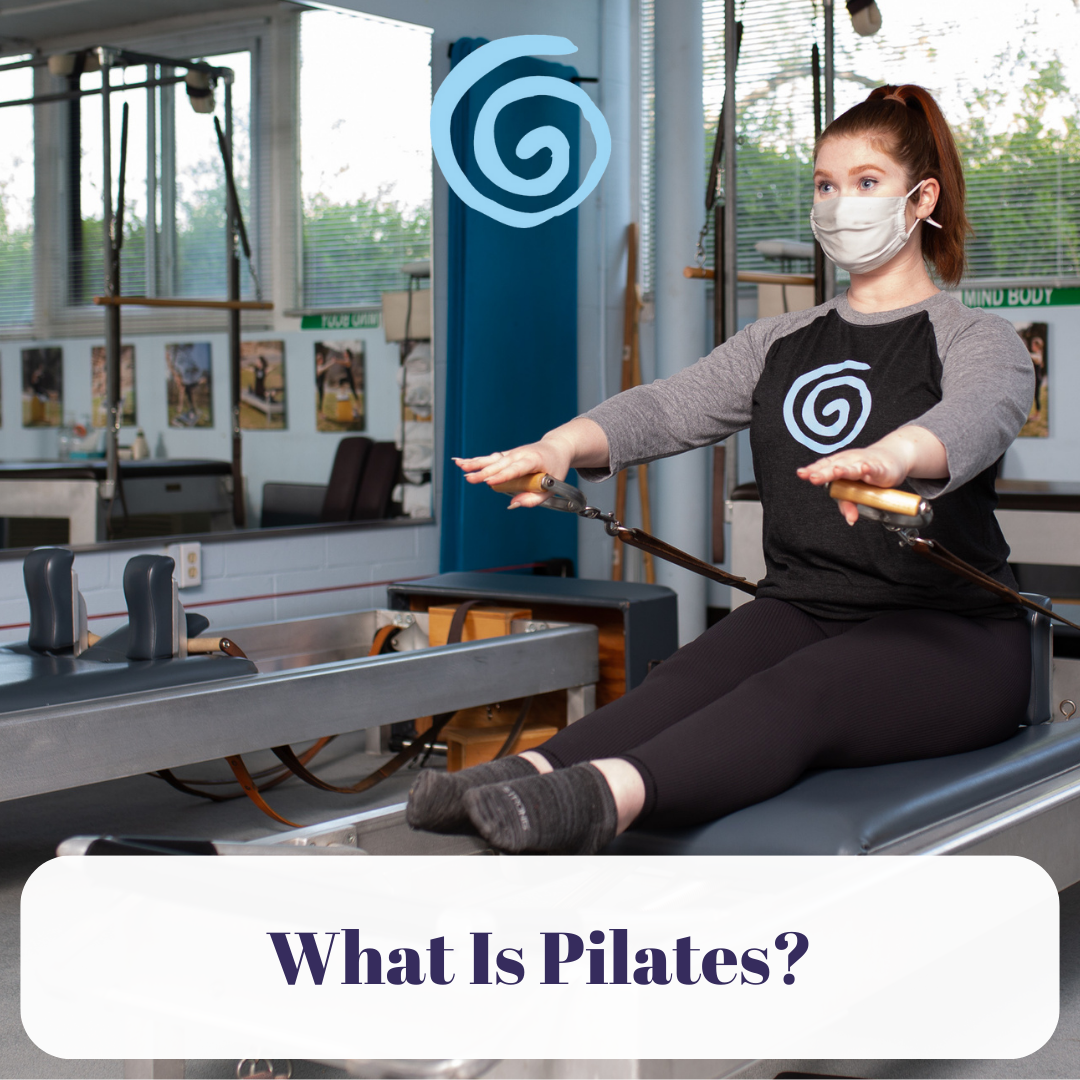
Pilates is a specialized form of exercise originally developed by Joseph Pilates in the early 20th century. It focuses on strengthening the body’s core muscles while also improving overall strength, flexibility, posture, and coordination.

Pilates is a specialized form of exercise originally developed by Joseph Pilates in the early 20th century. It focuses on strengthening the body’s core muscles while also improving overall strength, flexibility, posture, and coordination. 

The practice uses controlled movements that flow smoothly from one to the next. Precise movements are emphasized over quantity, which helps ensure proper form and prevent injury. Classes can be done on a mat or using special equipment, like the reformer machine.

This balanced workout method aims to unite body and mind, creating a strong connection between the two. Pilates teaches practitioners to be aware of how their body moves through space while maintaining control and proper breathing patterns.

Yes, It’s About Control.
Controlled Movements That Flow From One To The Next 

The practice uses controlled movements that flow smoothly from one to the next. Precise movements are emphasized over quantity, which helps ensure proper form and prevent injury. Classes can be done on a mat or using special equipment, like the reformer machine.

This balanced workout method aims to unite body and mind, creating a strong connection between the two. Pilates teaches practitioners to be aware of how their body moves through space while maintaining control and proper breathing patterns. 

How Does Pilates Work To Help Your
Fitness Routine? 

How Does Pilates Work?

Pilates works by incorporating six key principles into each workout. These principles provide the foundation for your practice and allows you to get the most out of your sessions. The six main principles are:


      1. Centering: Finding proper alignment by engaging the core muscles and being aware of body positioning

      1. Concentration: Fully focusing mentally on each movement 

      1. Control: Maintaining control and proper form throughout all motions

      1. Breath: Breathing deeply and fully, in rhythm with the movements

      1. Precision: Executing movements with accuracy and attention to detail  

      1. Flow: Smooth transitions between movements and a general sense of ease

    Our Instructors guide you through a series of controlled motions while cueing proper breathing patterns. Over time, practicing the Pilates principles leads to marked improvements in strength, flexibility, balance, posture, and body awareness. Classes start at a beginner level and advance over time as skills improve. One of the things about Pilates fundamentals is that as you improve and grow your routines and use equipment, your instructor is there to constantly guide and refine your work. Think of coaches or other one-on-one instruction. Our team at MindBody has several instructors who are also Physical Therapists or have decades of teaching experience. What this means for you? They’re looking at your movement through the lens years of training and the refinements are personalized with an eye on making it work for you. 

    Is Pilates Effective?

    Study after study has shown Pilates to be highly effective for improving overall fitness and wellness. Research confirms that it enhances muscular strength, flexibility, balance, posture, and coordination. (see our post from The New York Times article about Pilates) 

    Post-Surgery Rehab 

    Pilates is also very effective for rehabilitation purposes. It can aid recovery from injury or surgery by gradually restoring mobility and strength. The practice is very adaptable, so instructors can modify movements as needed based on an individual’s health history and abilities.

    Additionally, Pilates has proven mental health perks stemming from its meditative nature. The focus required to master precise movements results in a mind-body connection that reduces stress and anxiety.

    Is Pilates Good for Beginners?

    Pilates is an excellent choice for beginners because instructors can easily adapt the workout based on skill level. At our studio, we start with a four-course fundamentals using just the mat. In this one-on-one starter course, we work with you on mastering foundational movements with your own body weight before graduating to machines. Our team at MindBody focus on helping you build and shape the fundamentals in order to build a strong foundation for lifelong fitness. Importantly, we believe that getting the foundations correctly is a portable skill for your other sports or even if you try other studios. 

    Precision Takes Priority Over Repetition


    Since precision takes priority over repetition, each student works at their own pace, receiving individualized cues from the instructor. This makes Pilates less intimidating for first-timers than traditional gym classes.

    It’s important for beginners to take it slow by first learning proper techniques. Trying to advance too quickly can result in frustration and potential injury. But with patience and consistency, Pilates leaves brand new students feeling strong and accomplished.

    Does Pilates Build Muscle?

    While Pilates focuses more on lean muscle tone vs. bulk, dedicated practice can lead to noticeable muscle development over time. The controlled motions target smaller accessory muscles that are missed by traditional strength training. You feel yourself growing stronger from the inside out.

    Some muscle groups that Pilates helps to tone and build include:


        • Abdominals and full core

        • Glutes

        • Shoulders and back

        • Inner thighs

        • Chest

        • Arms

        • The resistance training involves tones and defines muscles by demanding they work against gravity or spring resistance. Our instructors ensure you challenge muscle groups deeply and experience progression over time.

        •  

      Is Pilates A Good Workout?

      Pilates is an excellent workout that offers a wide range of benefits for both physical and mental health.

      Some of the key benefits of Pilates include:

      – Strengthening core muscles of the back, hips, and abdomen

      – Improving flexibility and mobility

      – Enhancing coordination, balance, and posture 

      – Preventing injuries and relieving joint or back pain

      – Reducing stress levels and promoting mental clarity

      If done correctly and consistently, Pilates can lead to marked improvements in strength, stamina, control, and overall well-being. It’s an empowering workout that helps people gain a deeper mind-body connection.

      Will You Lose Weight with Pilates?

      While structured Pilates practice burns calories and boosts metabolism, our focus is more on overall wellness than number watching. People of all sizes benefit immensely from what Joseph Pilates termed “a complete coordination of body, mind and spirit.”

      However, by building strength and muscle tone, you may find yourself shedding excess weight naturally as your fitness level increases.

      Rather than focusing on weight, we know that it’s how Pilates makes you feel. Do clothes fit better? Do you have more stamina and vitality? These holistic markers better gauge the incredible personal transformations facilitated by dedicated Pilates practice over time.

      How Pilates Works With Expert Instructors

      MindBody Pilates Instructors

      Our Instructors guide participants through a series of controlled motions while cueing proper breathing patterns. Over time, practicing the Pilates principles leads to marked improvements in strength, flexibility, balance, posture, and body awareness.

      Classes start at a beginner level and advance over time as skills improve. One of the things about Pilates fundamentals is that as you improve and grow your routines and use equipment, Your instructor is there to constantly guide and refine your work. Think of coaches or other one-on-one instruction. Our team at MindBody has several instructors who are also Physical Therapists. This means they are looking at your movement through years of training as a PT and the refinements are personalized.

      Pilates Near Baltimore 

      Give Pilates a Try. Our Pilates Studio at MindBody Physical Therapy and Wellness offers unmatched full-body conditioning paired with meditative benefits. Consistent practice leads to incredible gains in strength, mobility, control, and overall wellness.

       Pilates offers unmatched full-body conditioning paired with meditative benefits. Consistent practice leads to incredible gains in strength, mobility, control, and overall wellness.

      So whether you’re brand new to fitness or looking to enhance your current regimen, give Pilates a try. Work with a certified instructor to ensure you get the most out of each session while preventing injury. With its holistic approach and adaptable progressions, Pilates can benefit students at every level.

      What Is Pilates?

      What is Pilates and is it Right for You? 

      If you’ve heard of pilates but aren’t quite sure what it’s all about, you’re not alone. Pilates is often grouped together with yoga as a “stretching” form of exercise, but there’s so much more to it. Developed nearly 100 years ago by Joseph Pilates, this graceful yet effective full body workout builds core strength, balance, and flexibility for people of all ages and fitness levels. I’ve tried to compile a list of some of the most frequently asked questions about Pilates. I wrote this through the lens of my work and training for several decades as an Authentic Pilates Instructor and a Physical Therapist. I’m a big believer in Pilates as a way to create a solid path to wellness and to support any work you’ve done in Physical Therapy. In fact, the connection between Pilates and Physical Therapy (and post PT work) is one of the reasons I started this business. If you have any questions at all about Pilates, you can email me at: Wendy@Mindbodypt.com.  I’ll try my best to get back to you as soon as possible. 

      Is Pilates Good For Beginners?

      Absolutely! We love working with beginners at our studio, whether you’ve never tried pilates before or just getting back into fitness. Pilates focuses on building a strong core which helps prevent injury as you advance your workout. The fundamentals like breathwork, pelvic placement, shoulder girdle stabilization, and ribcage control establish proper form and body awareness. Our trained instructors guide you through every exercise, using modifications to progress at your own pace. Pilates is extremely well-suited for beginners. We work closely with you to establish the foundation of “the fundamentals” of Pilates. It’s these exercises that you build your entire practice on. We love one-on-one coaching and guidance to help you get the most from the work. 

      Is Pilates Appropriate for Seniors?

      Yes. In fact, one of our clients is 90+ years young!  Regular pilates helps improve balance and coordination, preventing falls. IJoseph Pilates originally developed his method over a century ago for rehabilitation, crafting gentle yet effective exercises. The focus on precise movements, often done laying down or seated, makes pilates ideal for seniors. Instructors pay close attention to form and use resistance equipment to increase strength and stamina safely, without straining joints or tendons. Regular pilates helps improve balance and coordination, preventing falls. It also aids with chronic conditions like arthritis or osteoporosis. Pilates provides a full-body workout for any age.  

      Is Pilates Good For Back Pain?

      Pilates has been a fundamental component of helping clients with back pain and sometimes, even avoiding surgery. By building core strength in the abdominals, lower back muscles, and glutes, pilates helps stabilize the spine taking pressure off the vertebrae and discs. The focus on proper alignment also helps reinforce good posture which reduces back pain. Specific exercises stretch and strengthen the full back body helping relieve chronic tight, sore muscles. Clients often report a drastic reduction in back pain after just a few pilates sessions. The gentle yet targeted movements make it very therapeutic for bad backs. When you do Pilates at our studio we work closely with you to establish goals and figure out how to best manage your back pain and make a plan to manage and mitigate the pain. 

      How Does Pilates Work? And Will Pilates Transform Your Body?

      The secret to pilates resides in the core. By strengthening the abdominals, lower back, hips and glutes, it teaches body awareness and control that carries over into daily life. Regular pilates practice helps posture, realigning the spine and activating muscles. It increases flexibility across joints through controlled articulated movements. Pilates simultaneously elongates and strengthens muscles creating a lean physique. With focused breath and concentration, it also calms the mind, reducing stress. Clients often feel their bodies have been totally transformed from the inside out through consistent practice. When Pilates first started, many dancers made the work at Joseph Pilates studio in New York part of their workouts. I trained at this studio with one of the original “elders” of Pilates who were trained by Joseph Pilates. And, I’m a big believer that a strong core and working with Pilates can elongate your muscle structure. 

      Can I combine Physical Therapy and Pilates? 

      Physical Therapy and Pilates can work hand-in-hand. As you complete your physical therapy program, it’s important not to lose momentum with the progress you’ve made. Transitioning to a regular Pilates practice can help you maintain and build upon the strength, flexibility, and movement patterns you achieved through PT. Pilates shares principles like core engagement, proper alignment, and controlled motion that reinforce physical therapy goals. Whether you take private lessons or group classes, Pilates offers a pathway to make rehabilitation gains permanent. By establishing exercise as a consistent habit, you support long-term wellness and get the most from your physical therapy journey.

      Authentic Pilates Provides an Excellent Workout for All 

      At our studio, highly-trained instructors with various backgrounds like physical therapy guide clients appropriately based on their needs and goals. We focus on tailoring the workout by using different props like magic circles, weighted balls, rotating discs, and resistance bands while paying careful attention to form. To start, beginners quickly build core awareness and control while advanced students take skills to the next level with added challenges and use of equipment like the Tower, Reformer and other equipment. The Pilates Fundamentals and form are critical to gaining the most from your practice and the equipment. Pilates provides an excellent strength and flexibility workout suitable for any body.

      I started MindBody Physical Therapy and Wellness with a goal and mission of creating a seamless transition from Physical Therapy to Lifelong wellness with Pilates and other wellness classes. With Pilates, there’s a systematic approach of precise movements focused on breath and alignment to transform bodies. The full-body conditioning lasts a lifetime, which is why Joseph Pilates’ method thrives today.

      Contact us to learn more about getting started in pilates or building on your practice. We offer personalized private training along with a variety of small group classes. It’s never too late to feel the incredible effects of pilates! 

      The Tower of Power

      The Benefits Of Our Pilates Tower Classes

      The Pilates Tower: A Dynamic Apparatus for Whole-Body Transformation

      As a Romana-certified Pilates instructor and licensed physical therapist with over 20 years of experience, I love our Tower Classes. The work on the Tower helps refine your Pilates fundamentals and builds your practice. We’re here to help! The Pilates Tower apparatus is a invaluable addition to our studio. Combining spring resistance with the fundamental matwork, we help you take your Pilates practice to an exciting new level of conditioning. I’ve highlighted five compelling benefits you’ll gain through our specialized Tower training:

      1. Targeted Muscle Strengthening

      The spring-loaded Tower allows us to zero in on precisely the right muscles during each exercise. We can customize resistance levels to match your needs, helping you progress safely. Whether building strength post-rehab or enhancing performance, our Tower enables true transformation.

      1. Total Body Engagement

      The Tower works muscle groups integratively, like functional training. As you stabilize positions against the springs, synergistic muscles cooperate to create flow and stamina. This awakens mind-body awareness, postural control and increased capabilities for daily life. Our Tower classes restore ease to the body holistically.

      1. Spinal Mobility

      Many Tower postures incorporate forward, lateral and backward bending motions that resupply mobility to the spine. This relieves compression and brings supple curvature back to the backbone for good posture and injury resilience. The Tower opens the body with compassion.

      1. Hip Flexibility

      Lower body Tower exercises like squats, lunges and circles free up the hip marvelously. Restricted hips limit activities of all kinds, so maintaining hip flexibility promotes quality of life immensely. Our Tower training gets those hips moving well again!

      1. Core Power

      Every direction of spring resistance engages the deepest abdominals, building tremendous core stability. A strong center protects the spine, shapes the waist and fuels graceful movement. Our Tower classes create next-level core fitness to carry you confidently through any endeavor.

      Having coached many post-rehab clients and athletes, I’m amazed by the restorative and conditioning benefits of bringing in Tower training to your overall wellness program. The work on the tower complements our classic mat repertoire to uplift strength, flexibility and mind body connection.  Our team at MindBody Pilates is experienced, Romana trained, Authentic Pilates work. Class size at our studio is limited so sign up for Towers class soon. And thank you for supporting small business. 

      Got Back Pain? You’re Not Alone

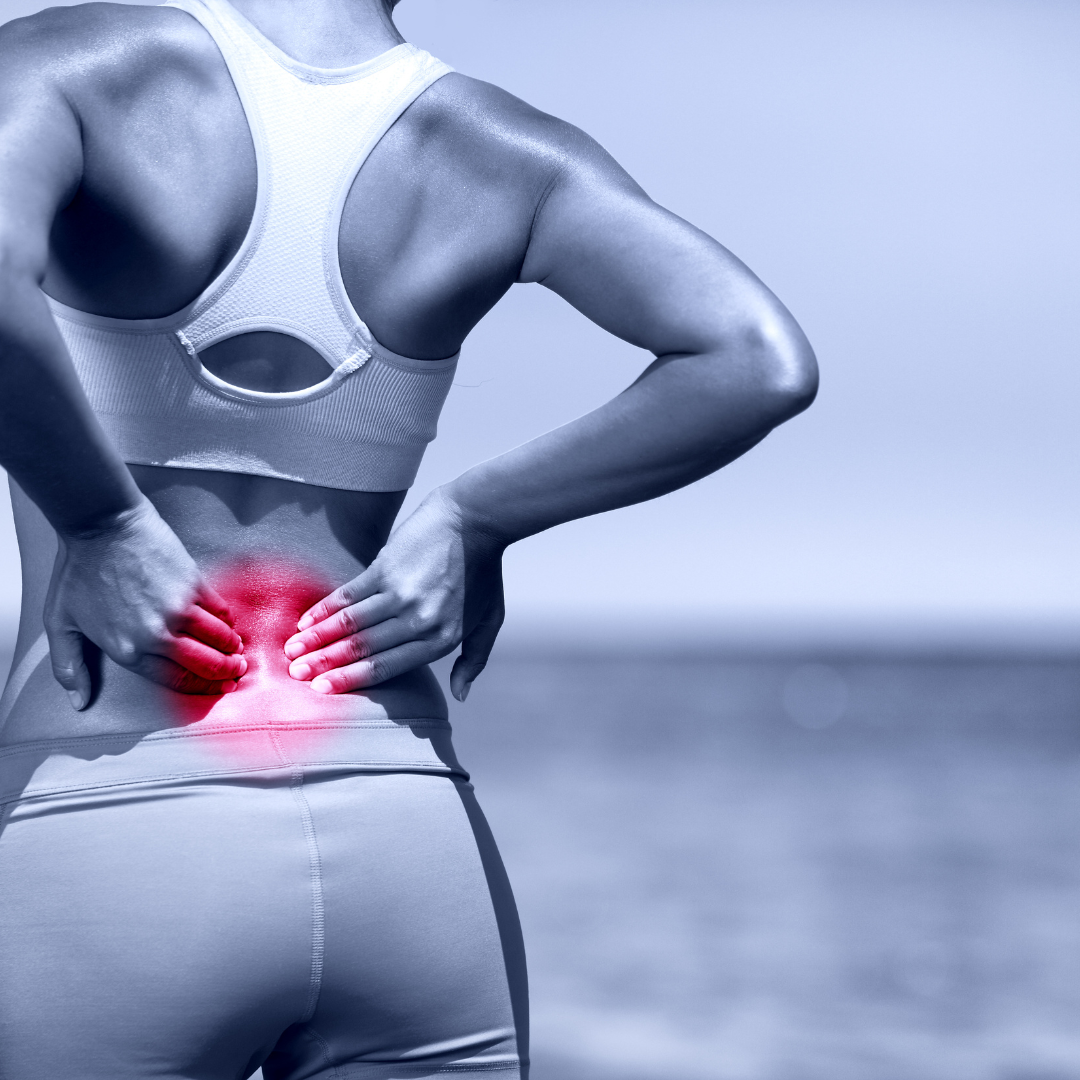
      Back pain is one the leading aches and pains that impact daily lives. If you find yourself saying, “I’d work out, but my back hurts.” Well, the right exercise can help your back pain AND help you work out.  Our team at MindBody Physical Therapy & Wellness are trained to help you manage your pain and get to the root of the problem.

      Pilates is one way to do that. It’s a form of exercise that focuses on strengthening the core muscles and improving overall flexibility and balance. Some of the benefits of Authentic Pilates include:

      • Improved posture

      • Better balance and coordination

      • Increased muscle strength and tone

      • Overall physical and mental well-being

      Because Pilates focuses on controlled, precise movements, it can help improve “proprioception” which is the body’s ability to sense its position in space. This can help to prevent injuries and improve athletic performance.

      Pilates can be a beneficial form of exercise for people with back injuries because it focuses on strengthening the core muscles which can support the spine and improve posture. By improving and balancing muscle strength and flexibility,  Pilates can also help reduce strain on the back and prevent future injuries. In addition, the controlled precise movements of Pilates can help increase proprioception and body awareness, which can help improve alignment and reduce risk of further injury.

      It’s important to consult with a healthcare provider or trained Pilates instructor before starting a Pilates exercise program to ensure  that it’s safe and appropriate for specific conditions. We recommend an evaluation with a Physical Therapist. The cost of this depends on where you go. At MindBodyPT this fee is $125 for an initial evaluation.

      Our team can evaluate your needs and work with you to develop a personalized approach. Our mission and practice integrate Physical Therapy AND Pilates as a way to support your wellness plan. We have decades of experience in both practices and our team, community and work are exemplary.

      So, if you have back pain and want to figure out how to better manage it, please reach out to us. We’ll work with you to create a customized approach to your wellness.

      5 Reasons Why A Pilates Tower Class Will Be Your New Favorite Workout

      On the Tower, you have the benefits of some of the elements from the Cadillac and Reformer but the use of the Mat. The Tower classes are a bit more strength focused. The main purpose of many of the exercises taught in a Tower class is to build strength and muscular endurance. The Tower Classes are a combination of the Mat Class Movements coupled with the “Tower Apparatus.”  In Pilates you learn the movement and flow from the Pilates Mat Exercises and then take those key movements to the apparatus. Transitioning to an apparatus helps with specific areas and helps really feel how Pilates uses your core.

      Tower classes at MindBody Physical Therapy and Wellness At MindBodyPT we use the tower class as an elevated Mat Class. The Tower Class helps you “feel” some of the core movements you have from your fundamentals or Mat work. A difference too is that the “flow” that you get from Mat Class is not as smooth as on the Tower you have to take time to adjust the springs.

      Isolation: Not really in the sense of by yourself! Rather the tower helps isolate certain muscles. A majority of exercises focus on one area of the body at a time. This makes it easier for you along with your instructor to isolate certain muscle groups.

      Flow. While Joseph Pilates (and students of Authentic Pilates!) use a certain set, classical order for movements within Mat Classes and other apparatus, the Tower is a little different.  There’s no set order.  This allows beginner students and Tower newbies to quickly adapt to the movements as guided by an instructor.  Participants work on controlling their movements to gain the maximum from the apparatus work. Also, there are unique breaks/pauses with the tower as you change the spring settings. And, the added benefit of no set order is that you can simply learn and practice vs. trying to keep up with a set routine.

      Advancement. The great thing about the Tower is that advancement with a piece of apparatus is a bit easier than, let’s say, the Cadillac. After a few classes, you’ll be familiar with the movements and the flow of the class.  Plus the tower helps you reinforce some of the basics of Pilates and improve your basic movements.

      Stretch. What can we say but that we believe the stretch you gain from the Tower is one of the best. The Tower exercise assigns a focus to opening the hips and lengthening the spine. That’s right, you can lengthen the spine – after all those hours of sitting – the class might be a good choice for you. You have stretching, lengthening and taking deep breaths. You will walk out feeling lighter and taller.

      Core. Yep. The Core is still the central focus but the Tower Apparatus uses springs as your extra resistance. The spring work, like the reformer, helps to shape and chisel select parts of your body – particularly your abs.  And like almost all Pilates core work, your focus is on the deepest layer of the abdominal wall, the transvers abdominis. Healthy stomach, healthy spine, healthy posture.

      Needless to say, we’re super hyped about our Tower Classes. Three days a week provides an opportunity to augment private lessons or mat classes. The Tower Classes are limited to three students so you get a personalized approach to the work.